Gloria Gaynor, 91, built a life of resilience, hard work, and sacrifice in America after emigrating from Jamaica. Now, as she lays confined to a hospital bed in the living room of the home she purchased nearly 25 years ago, she faces eviction — not due to crime or mortgage default, but for owing $3,500 in back taxes.
According to ABC 6 Action News, the modest two-story brick house on Wayne Avenue, filled with family photos, heirlooms, and the soft hum of gospel music, is slated to be taken from her. “She cries about it every day, she prays about it every day,” said her daughter, Jackie Davis.
This is not just the story of an elderly woman behind on taxes. It’s about a system that, critics say, strips generational wealth from the most vulnerable Americans, often legally, but devastatingly.
A Life of Sacrifice Ends With a Legal Notice

Gaynor immigrated to the United States in the 1960s with her two children. She worked for decades as a caregiver and house cleaner. In 2000, she bought her Upper Darby home for $123,000, determined to leave behind something for her children and grandchildren.
“She bought this house to die in,” Davis said tearfully in an interview with ABC 6 Action News. “This is our legacy, and here it is, it’s gone.”
The trouble began during the pandemic. Gaynor, who has dementia and was isolated due to health issues, missed her usual tax office visit in 2020. Believing enforcement was paused, she planned to pay in person later. But the debt silently ballooned. A payment she made in 2021 was misapplied to a newer year, leaving a “donut hole” of unpaid taxes from 2020.
By 2022, her property qualified for an “upset sale,” Pennsylvania’s process to recover delinquent taxes. No court order is needed for such sales — just unpaid taxes and a notification process that is easily misunderstood, especially by seniors with cognitive issues.
Sold for $14,419 — Now Worth $247,000
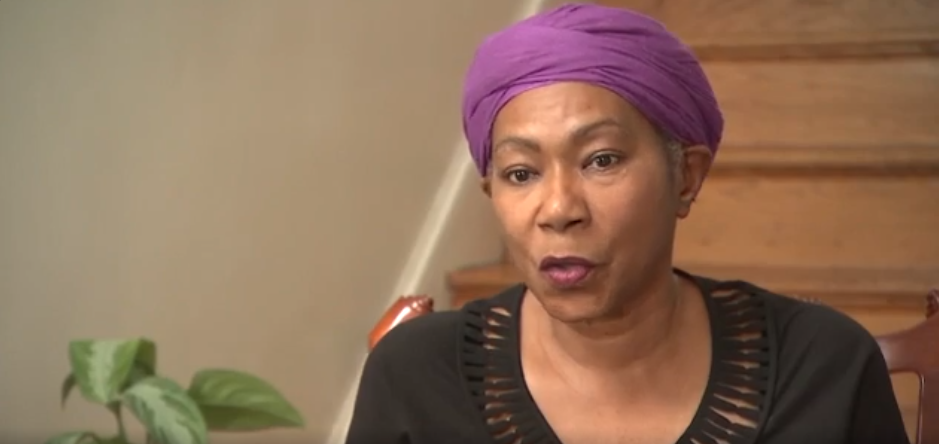
Delaware County sold Gaynor’s home to CJD Group, a Lancaster-based real estate firm, for just $14,419 — the cost of her overdue taxes, penalties, and fees. The home is now valued at nearly a quarter-million dollars.
The company has since obtained the deed and has given notice: Gaynor must leave by the end of July.
CJD Group declined to comment through their attorney, according to ABC 6 Action News, but public records show this is not an isolated case. Since 2011, the firm has bought 62 homes from Delaware County tax sales — all for bargain prices, often in communities of color experiencing gentrification.
“They acted within the law,” said attorney Alexander Barth, who represented Gaynor. “But it’s a law that fails to protect vulnerable homeowners like Gloria.”
Unfair Doesn’t Mean Illegal
Tax sale critics say the process, while technically legal, is ripe for abuse and disproportionately harms the elderly and low-income homeowners of color.
“An investor who does this is likely to make a good profit no matter what happens,” said John Rao, senior attorney at the National Consumer Law Center. “Even if the homeowner redeems, the investor still gets interest.”
In Gaynor’s case, no redemption occurred. Her appeals failed in court, and the deed was transferred. Her family believes the system worked against her, taking advantage of her illness and her deep, sometimes stubborn independence.
“She’s a strong-headed woman,” Davis explained. “She thought she could manage it all.”
A Blessing Never Came
Inside the front door of the home hangs a wooden sign: “May Blessings From Above Fall Upon This Home.” But Gaynor and her family say those blessings never came — neither from the government nor the legal system.
As Davis prepares to fly from Florida to pack up her mother’s belongings, she dreads the moment she’ll have to tell her the move is final.
“She worked hard. She made it. She lived the dream,” Davis said. “And now? They’ve taken it.”
Legal Changes On The Horizon?
The Gaynor case highlights what advocates call a broken system. In 2023, the U.S. Supreme Court ruled that local governments cannot keep surplus profits from tax sales — a major win for homeowners. Yet in Pennsylvania, where the sale price is often just enough to cover taxes, that protection means little.
State Representative Chris Pielli has introduced House Bill 96, which would allow homeowners to designate third parties to receive delinquency notices. Pielli believes it might have saved Gaynor’s home had it been law sooner.
“This is about preserving dignity and family legacy,” he said. “These aren’t just properties. These are people’s lives.”
A Wider Crisis of Wealth Stripping
Nationwide, tax sales have disproportionately affected Black, Latino, and elderly homeowners. An analysis by ABC found that 93% of homes in Philadelphia tax sales this year were located in majority non-white neighborhoods.
As property values soar due to gentrification, speculators are cashing in on a market where local governments are eager to collect taxes, often without regard for fairness or long-term social costs.
“The government is not just collecting revenue,” Rao warned. “They are facilitating a transfer of wealth — from people like Ms. Gaynor to real estate investors.”
Final Days in a Home Built on Hope
With eviction imminent and options exhausted, Davis is trying to shield her mother from the harshest realities.
She tucks a blanket around her, wipes her eyes, and whispers, “Hang in there, Ma.”
But the dream Gaynor chased for decades — a home to grow old in, a place to pass down — may soon be out of reach.