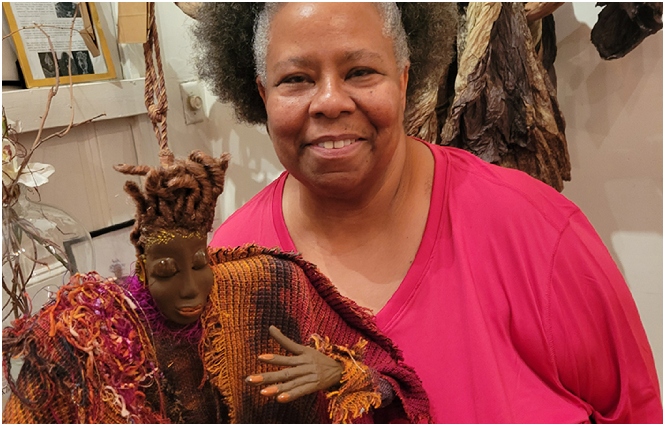
In the historic city of Charleston, South Carolina, fiber artist Torreah “Cookie” Washington has spent decades turning cloth, thread and tradition into powerful storytelling tools that celebrate culture, history and imagination.
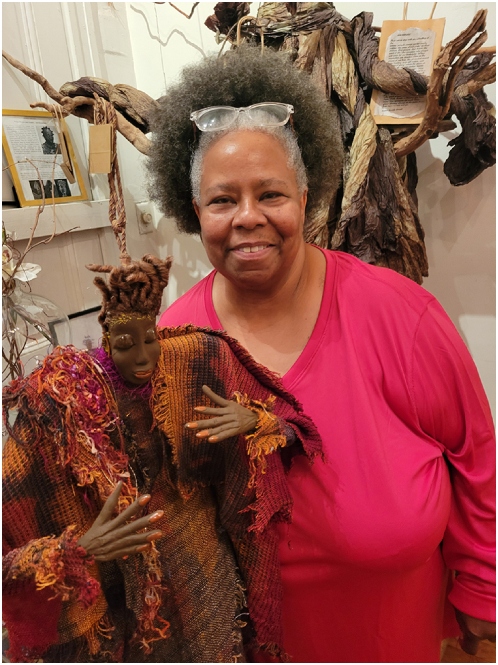
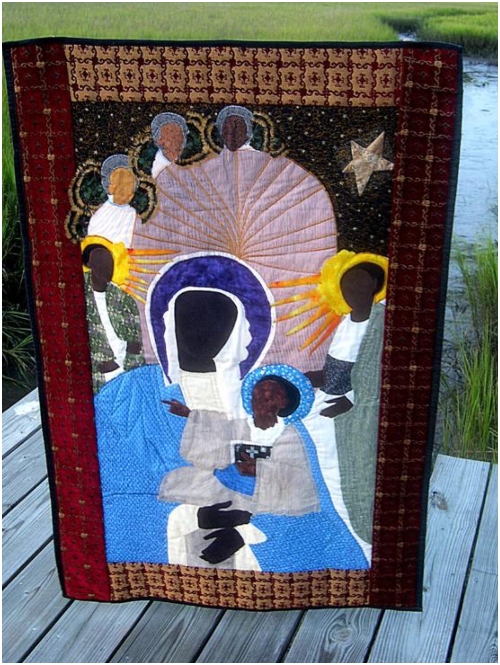
A fourth-generation needleworker, Washington is widely recognized for her narrative art quilts, goddess dolls and murals that highlight African American heritage and the power of the Divine Feminine. Through her work, she aims to inspire viewers — particularly young Black girls — to see themselves as part of a much larger story.
“I want every little girl, especially every Black girl, to know that our stories are bigger than what history sometimes tells us,” Washington Charleston’s Post and Courier. “Through my quilts, I try to stitch those possibilities into the world.”
Art Rooted in History and Place
Washington’s work is deeply shaped by the cultural and historical landscape of the South Carolina Lowcountry. Charleston’s streets, waterfronts and communities carry generations of stories that influence her creative process.
The region is also home to the Gullah Geechee Cultural Heritage Corridor, where African traditions in language, food and crafts have survived for centuries. Washington says that heritage plays a central role in her artistic practice.
For her, fiber art is far more than decoration.
“Craft is memory, resilience and survival,” she said.
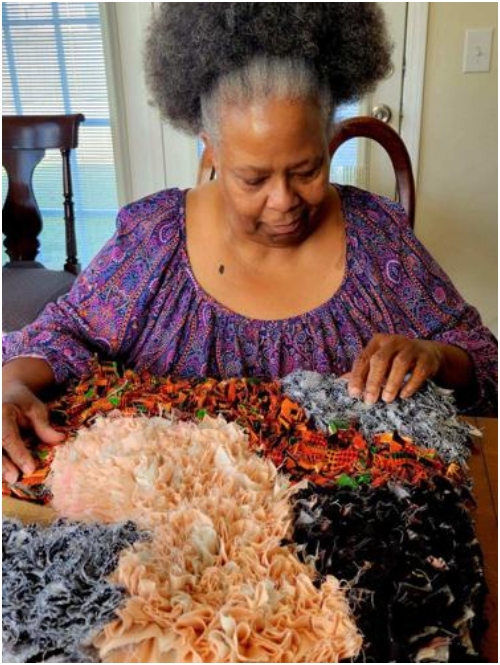
Her work spans traditional techniques — including Gullah rag quilting and rug making — alongside contemporary art quilts that are often displayed on gallery walls like paintings. Many of her pieces explore folklore, historic figures and mythological themes tied to Black culture.
Among her recurring subjects are Black mermaids, which Washington says connect imagination with the region’s maritime history and African diasporic storytelling traditions.
Challenging Perceptions of Textile Art
Throughout her career, Washington has also sought to challenge long-standing assumptions about the status of fiber art in the art world.
Historically, quilting and textile crafts — particularly those created by Black women — were often viewed as domestic work rather than fine art. Washington says overcoming those perceptions has been one of the biggest challenges of her artistic journey.
Rather than discouraging her, those views strengthened her commitment to showing the cultural depth and creativity embedded in textile traditions.
Her work aims to expand how audiences understand fiber art — not just as craft, but as a serious artistic medium capable of preserving history and telling complex stories about communities and identity.
A Cultural Leader in Charleston
Beyond her own creative work, Washington has played a major role in promoting fiber arts in the Charleston area.
For nearly two decades, she has curated the African American Fiber Arts Exhibit held at North Charleston City Hall. The exhibit has become an important platform for artists working in quilting, textiles and other traditional mediums rooted in African American heritage.
Through exhibitions and community engagement, Washington has helped elevate textile traditions that have long been passed down through families and cultural communities.
Art as a Living Cultural Memory
Washington believes artists play a crucial role in shaping how a city understands itself.
While Charleston is known globally for its architecture and history, she says artists are often the ones who reinterpret those histories and keep them relevant through creative expression.
“Artists help a city remember who it is,” she said.
For Washington, quilts and other fiber works function almost like historical documents — carrying personal stories, family knowledge and cultural memory in every stitch.
“Quilting has often been described as ‘our voice in cloth,’” she explained.
Through her work, she hopes viewers will see everyday objects such as quilts and rugs not as simple crafts, but as vessels of biography, tradition and imagination.
Inspiring the Next Generation
Looking ahead, Washington says she is encouraged by younger artists who are becoming increasingly curious about their cultural roots and eager to learn traditional crafts.
She believes heritage practices such as quilting, basketry and storytelling contain wisdom that deserves the same respect as knowledge learned in formal academic institutions.
Her hope is that people who encounter her work leave with a deeper curiosity — about history, craft and the possibilities that emerge when communities honor the knowledge passed down through generations.