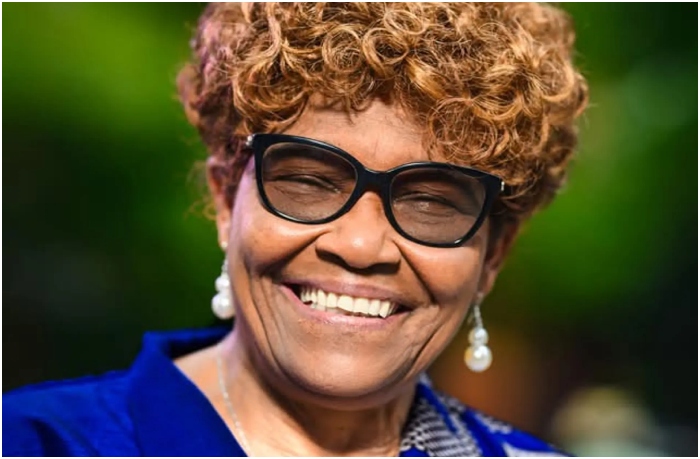
Dr. Lynda Blackmon Lowery, a towering figure of the U.S. civil rights movement, has died at the age of 75.
Lowery is widely recognized as the youngest person to march alongside Rev. Martin Luther King Jr. during the 1965 Bloody Sunday protests in Selma, Alabama.
Lowery passed away on Dec. 24, 2025, in Selma, her daughter, Danita Blackmon, confirmed. A cause of death was not disclosed, according to The New York Times. The city of Selma honored her legacy with two days of funeral events, including a public viewing on December 29 and a celebration of life on December 30.
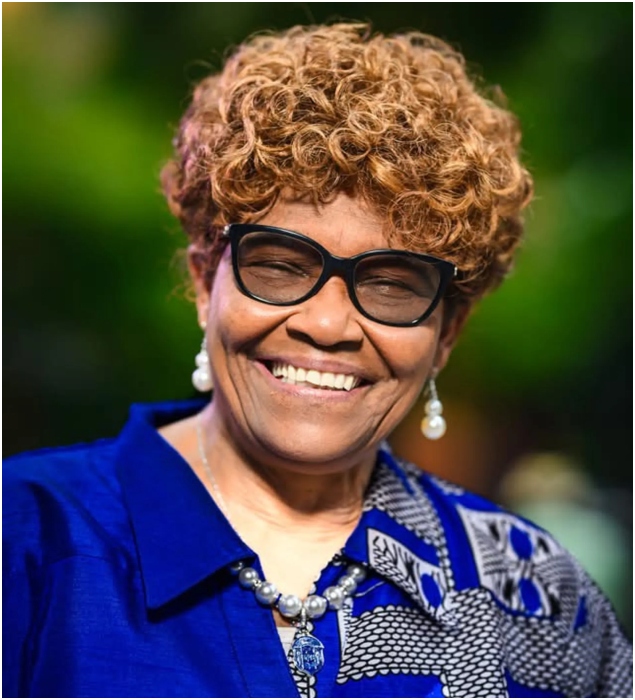
A nationally revered civil rights icon and one of Selma’s original “foot soldiers,” Dr. Lowery played a pivotal role in the Selma Voting Rights Movement, which helped catalyze the passage of the landmark Voting Rights Act of 1965.
Her commitment to justice was forged early in life after her mother died from childbirth complications, having been denied a blood transfusion because of her race.
“So, I made a vow at the age of seven that when I got big, I was going to change things,” Lowery said in a 2024 interview. “And nobody would ever have to grow up without a mother again because of the color of skin.”
Following her mother’s death, Lowery found strength and purpose through her grandmother, who introduced her to activism and took her to hear Dr. King speak in 1963.
Her own activism began soon afterward, with high school sit-ins and demonstrations against segregation. By the age of 14, she had marched for civil rights, been jailed nine times, and endured brutal violence on Bloody Sunday in March 1965, when state troopers attacked peaceful demonstrators on the Edmund Pettus Bridge as she was turning 15.
Historians have long credited the Selma marches, including Bloody Sunday, with galvanizing national support for voting rights protections and accelerating congressional action that led to the Voting Rights Act.
After the height of the civil rights movement, Dr. Lowery dedicated nearly three decades to public service as a mental health professional, working for 27 years to support individuals and families. In 2015, she shared her life story in the memoir Turning 15 on the Road to Freedom, which became widely used in classrooms and later adapted into a stage production, ensuring her experiences reached new generations.
In her later years, Lowery remained an active educator and mentor, continuing to speak to young people about racism, resilience, and self-worth. She also lived to see her legacy honored through Selma’s Foot Soldiers Park, a public space dedicated to the activists who risked their lives for voting rights.
“I still tell them to believe in themselves,” Lowery said of her message to Black youth. “Because there’s nobody greater walking this earth than you right now. Believe in who you are… You are important to yourself. If you like yourself, you love yourself. Ain’t nobody gonna take that from you.”
Dr. Lynda Blackmon Lowery leaves behind a legacy defined by courage, service, and an unwavering commitment to justice—one that continues to shape the fight for civil rights in America.