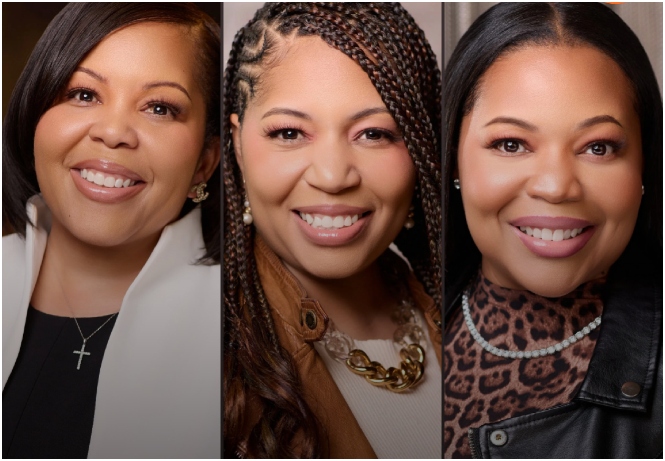
In a story that continues to resonate into 2026 and beyond, three Maryland sisters are leading a determined effort to reclaim 36 acres of ancestral land lost to discriminatory practices—transforming a painful chapter of American history into a forward-looking model for community restoration.
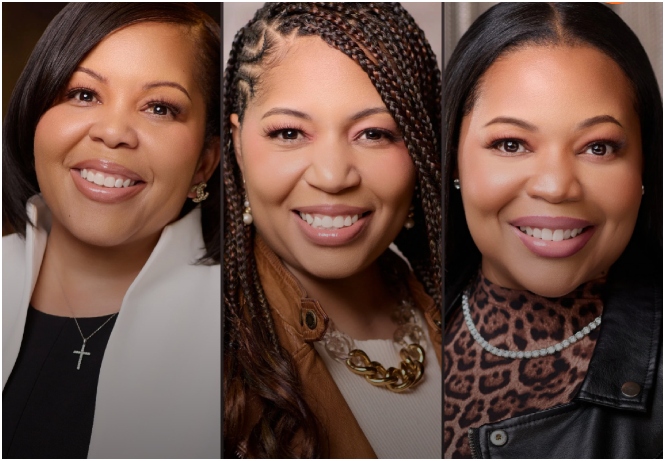
LaTisha Gasaway-Paul, Teresa Gasaway-Gleaton, and LaTrice Gasaway-Johnson—collectively known as the Gasaway sisters—are working to recover land once owned by their great-great-grandfather, William Dove, a formerly enslaved man who purchased the property in the late 1800s.
Dove’s acquisition of the land represented both resilience and a long-term investment in his family’s future.
However, like many Black landowners of that era, his property was eventually taken through a combination of discriminatory policies and eminent domain, a pattern that has contributed to significant losses of Black-owned land across the United States.
From Generational Loss to Generational Action
Rather than allowing that history to remain unresolved, the Gasaway sisters have built a multifaceted strategy centered on economic empowerment and community engagement. They operate one of the largest Black-owned childcare businesses in Montgomery County, using its success to fund broader initiatives tied to land reclamation and community revitalization.
Their annual Juneteenth festival—now one of the largest in the region—serves not only as a cultural celebration but also as a platform for education and advocacy. By bringing together thousands of attendees, the event raises awareness about the history of displaced Black communities and builds public support for their mission.
“Our great-great-grandfather invested in our future,” the sisters have said in public remarks. “Now we’re investing everything we have to make sure that legacy is restored.”
A Vision Rooted in Equity and Community
The sisters’ long-term plan extends beyond reclaiming the land itself. They envision transforming the property into a community-centered development that includes affordable housing, green spaces, childcare facilities, and a heritage center dedicated to preserving the history of the area’s Black residents.
A key component of the proposal is prioritizing descendants of families who were originally displaced, offering them opportunities for homeownership and long-term economic stability. The initiative reflects a growing national conversation around reparative development—efforts aimed at addressing historical injustices through tangible, community-based solutions.
The land in question is located in the historic Scotland community, one of several Black-founded settlements in Montgomery County established by formerly enslaved individuals. While many such communities have disappeared over time due to development and displacement, the Gasaway sisters are working to ensure Scotland’s legacy endures.
Building Coalitions and National Momentum
The effort has gained increasing support from local and state leaders, as well as community organizations. The sisters have spent years meeting with policymakers, organizing events, and building coalitions with other historically Black communities facing similar challenges.
Their work reflects a broader national movement focused on restoring land ownership as a pathway to closing racial wealth gaps. According to historians and policy experts, land loss has been one of the most significant drivers of economic inequality for Black families in the United States.
By reclaiming their family’s land, the Gasaway sisters are not only seeking justice for past generations but also creating a replicable model for others.
A Legacy Reimagined for the Future
As of 2026, their efforts continue to gain traction, with growing public awareness and institutional support. While challenges remain, the sisters’ approach—combining entrepreneurship, cultural engagement, and policy advocacy—has positioned them at the forefront of a movement that bridges history and progress.
Their work underscores a powerful idea: that restoration is possible, even generations after loss.
In reclaiming what was taken, the Gasaway sisters are not just preserving a family legacy—they are helping redefine what equity, ownership, and community can look like in modern America.