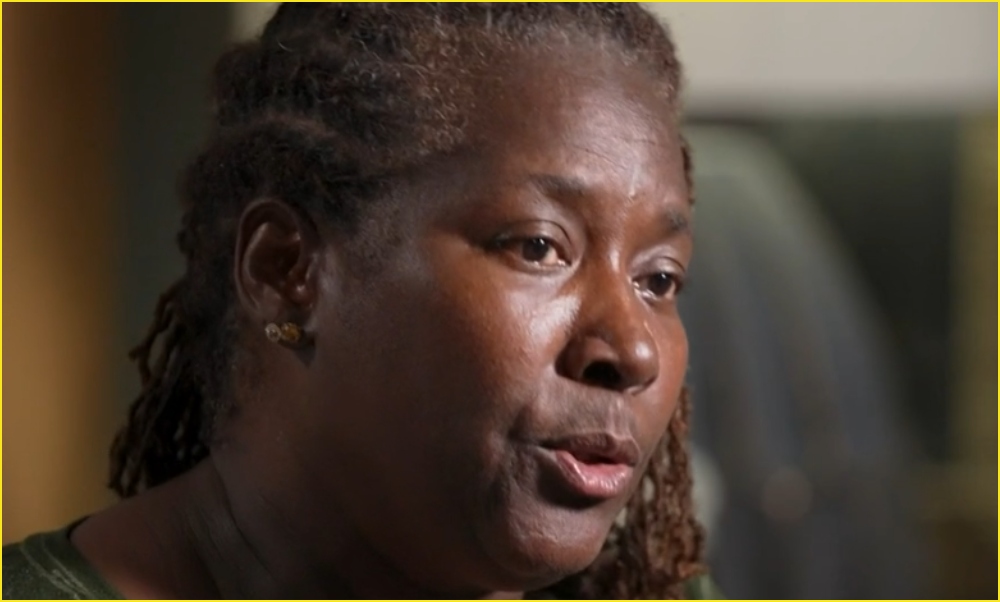
A Texas grandmother says a hospital’s refusal to treat her daughter during active labor until paperwork was completed nearly cost her newborn grandson his life.
The incident is currently under state review and fueling fresh calls for accountability in U.S. maternity care.
For Kashena Manuel, the night of Nov. 10 began as a race against time. Her daughter, Kiara, was contracting every two minutes as they rushed to Dallas Regional Medical Center in Mesquite, Texas. But what awaited them inside, she says, was not urgency — it was bureaucracy.
Manuel told WFAA that staff told her to repark her car despite Kiara’s escalating pain and promised a wheelchair that wasn’t waiting when she returned.
A security guard — not medical staff — ultimately helped Kiara into the building. By the time Manuel got back inside, her daughter was alone, doubled over, and screaming.
“People behind the desk working as normal, as if they didn’t hear her,” she recalled to WFAA.
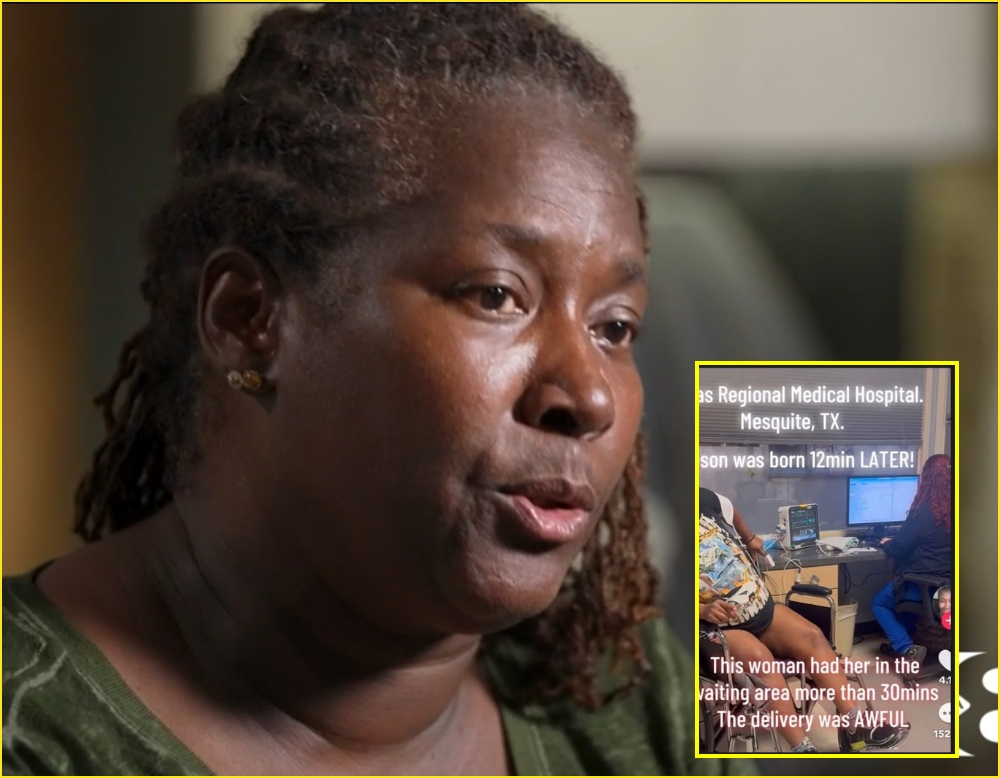
When she demanded help, Manuel says she was told the hospital would not take Kiara back until the registration paperwork was completed. In a video she recorded, staff repeat the requirement even as Kiara cries out in agony.
“‘The quicker you sign, the quicker we can get her in the back,’” a nurse allegedly told her.
Manuel’s video shows her pleading: “So you’ll take a chance of her having infections and a baby in this chair? So she’s not a priority?”
By the time the forms were signed — with Kiara “trembling” and barely able to hold the pen — nearly 30 minutes had passed. Moments after reaching Labor and Delivery, a nurse removed Kiara’s shorts and froze: the baby’s head was already emerging.
“He wasn’t crowning. He was birthing,” Manuel said. “If she moved the wrong way, he would not be here.”
Kiara delivered her son just after 12:35 a.m. Both survived — something the family considers a matter of luck, not care.
Manuel filed a formal complaint, but says hospital management never responded. Only after she shared the video publicly did Texas State Representatives Rhetta Andrews Bowers and Linda Garcia step in, meeting with hospital leadership and the mayor of Mesquite on Nov. 18. The hospital has since launched an internal investigation.
“This is not Black against white,” Manuel stressed. “This is a system issue. That hospital. That’s culture.”
A Familiar, Troubling Pattern
What makes this case resonate far beyond Mesquite is how closely it mirrors long-standing concerns about maternity care in the U.S., especially for women who arrive at hospitals in distress. Advocates say rigid bureaucratic protocols — especially around intake and insurance — too often eclipse medical urgency.
As Manuel put it: “It was paperwork over life.”
Her statement captures a painful truth that many families, across race and class, have long voiced: when administrative rules become immovable, patients in crisis become vulnerable.
Why It Matters
The U.S. continues to face some of the highest maternal morbidity rates among wealthy nations. Stories like Kiara’s cut to the heart of the crisis — not just access to care, but how patients are treated when they arrive.
This incident also highlights the growing power of bystander video. Without it, Manuel believes her daughter’s experience would have been dismissed.
“I had to film,” she said. “To show what my daughter went through, what my grandson went through just to get here.”
Dallas Regional Medical Center says it is investigating. State lawmakers say they are watching closely. The family wants more than apologies — they want safeguards.
Because for them, this was more than a mishandled emergency. It was a warning.