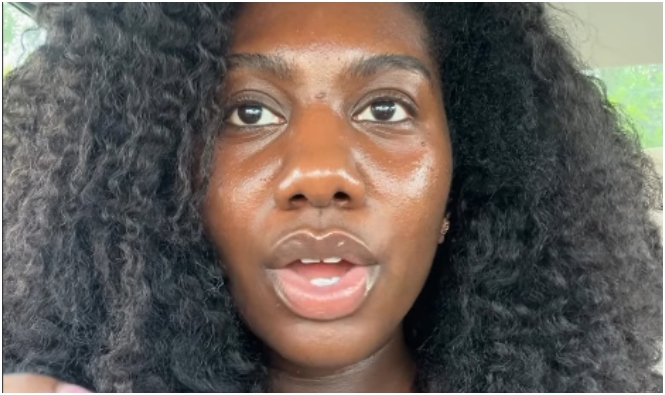
Content creator Kay took to Instagram recently to argue that some women face resentment from other women simply for being “single, child-free and happy.”
In the now widely shared clip, Kay suggested that modern women who openly reject traditional expectations around marriage and motherhood are often met with judgment because their happiness challenges long-standing social norms.
“People don’t really know how to digest women who are happy about this,” she said. “Sometimes they don’t like you because you’re single and child free and happy.”
Viral Commentary Hits a Cultural Nerve
The video quickly drew thousands of reactions across social media, with supporters calling her comments “honest” and “relatable,” while critics accused her of unfairly generalizing mothers and married women.
But the strongest reactions centered around one particularly blunt statement.
“Sometimes they don’t like you because you’re spending all your money on you because you’re not stressed out,” Kay said, arguing that some women are criticized simply for appearing content outside traditional family structures.
Someone commented:
“Living alone single with my own money and peace is the absolute best. I don’t take advice from people who have a life I would never want to have and they hate that.”
“I’m proud of this new generation of women.,” another said.
The video seems to be gaining traction because it touches on a growing cultural divide between women embracing traditional family roles and those increasingly choosing independence, delayed motherhood, or child-free lifestyles.
‘Having Kids Was the Next Step’
Kay tied her comments around generational expectations placed on women, arguing that many older generations were conditioned to see motherhood as mandatory rather than optional.
“Having kids was almost like literally just the next step,” she said. “Like the same way you go from first to second grade.”
She suggested that many women today are the first in their family lines to consciously question whether marriage and motherhood are actually necessary for fulfillment.
For some viewers, that observation reflected broader societal changes as women increasingly prioritize careers, financial freedom, mental health, travel, and personal autonomy before starting families, or instead of starting them altogether.
Child-Free Women Still Face Stigma
The video also reopened discussion around the social stigma child-free women say they continue to face, particularly online and within families.
Kay argued that women without children are often treated as incomplete, immature, selfish, or eventually destined to regret their decisions.
“You can’t be happy. You need a family. Women are nurturing,” she said, describing the messages often directed at child-free women.
Her response became the emotional centerpiece of the conversation:
“I don’t need that. I would like that. That’s nice. But at the root of it, I don’t need that.”
Online Reactions Divided
The clip generated sharply divided reactions.
Supporters praised Kay for articulating pressures many women quietly experience, especially in communities where marriage and motherhood are viewed as measures of womanhood or success.
“I pray more people DON’T HAVE KIDS,” someone said.
Critics, however, accused her of presenting mothers and wives as unhappy or resentful.
“People do not sit and *think* that marriage and reproduction for most of history was coercive, literally, and psychologically promoted,” someone chipped in.
Still, others noted the larger issue raised by the video was not anti-family messaging, but the social discomfort some people have with women who openly define fulfillment outside traditional expectations.
A Growing Generational Shift
The debate comes amid continuing demographic shifts in the United States and globally, where women are waiting longer to marry and have children than previous generations.
Researchers have linked the trend to rising costs of living, economic instability, career priorities, changing gender norms, and growing conversations around emotional labor and relationship dynamics.
Kay’s viral message ultimately struck a nerve because it centered on a controversial but increasingly visible idea: that for many women, fulfillment is no longer automatically tied to marriage or motherhood, and some people are still struggling to accept that.