
Long before modern hospitals became accessible to Black women in the rural American South, one woman quietly built a lifesaving legacy using skill, grit, and generations-old herbal knowledge.
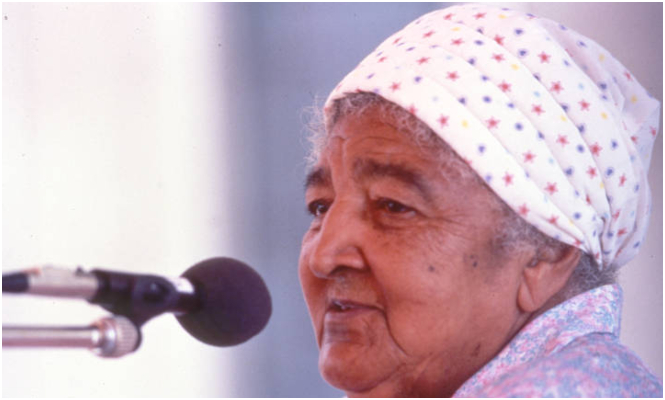
Margaret Charles Smith, widely known as the “Granny Midwife,” delivered more than 3,500 babies over her lifetime — without losing a single mother, an extraordinary record that has cemented her place in Black maternal health history.
Born in 1906, Smith’s life story is deeply rooted in resilience. Her own mother died just weeks after childbirth, and she was raised by her grandmother, a formerly enslaved woman whose knowledge of herbal medicine and survival shaped Smith’s path.
A Midwife by Destiny, Not Design
Smith’s entry into midwifery came unexpectedly — at just five years old.
According to records from the Alabama Women’s Hall of Fame, she was left to watch over a pregnant woman while someone went to fetch a midwife. Before help arrived, the baby came early, and Smith successfully delivered it herself.
That moment marked the beginning of a lifelong calling.
Despite only completing third grade in a rural one-room schoolhouse, Smith remained a self-taught learner, studying childbirth practices, herbal remedies, and maternal care throughout her life.
Practicing During Segregation
Smith officially received a midwifery permit in 1949 from the Greene County Public Health Team — at a time when segregation kept most Black women out of hospitals, even if they could afford care.
Working conditions were harsh.
She often:
- Walked miles through fields and swamps at night
- Delivered babies in homes without electricity or running water
- Assisted malnourished and overworked mothers
- Managed high-risk births, including breech and premature babies
Payment was inconsistent. Families sometimes paid with produce, small amounts of cash, or nothing at all.
Herbal Knowledge and Maternal Care
Smith relied heavily on traditional herbal practices passed down through generations of Black midwives.
She used natural remedies such as:
- Cotton root preparations
- Raspberry leaf tonics
- Nutritional and plant-based treatments
These methods helped manage labor, prevent complications, and support postpartum recovery — long before modern maternal healthcare reached many rural communities.
Criminalized but Never Forgotten
In 1976, Alabama outlawed traditional midwifery, forcing Smith and roughly 150 other Black midwives to stop practicing under threat of jail.
The policy reflected a nationwide shift toward hospital-based births — a transition critics say erased vital community knowledge.
Despite the ban, Smith’s legacy endured.
National Recognition and Later Life Honors
Over the years, Smith received numerous honors:
- Became the first Black resident to receive the keys to Eutaw in 1983
- Honored by the Congressional Black Caucus in 2003
- Celebrated at national rural health conferences
- Co-authored her memoir, Listen to Me Good: The Life Story of an Alabama Midwife
Midwifery leader Ina May Gaskin once called Smith “a national treasure” whose life embodied courage and wisdom.
A Lasting Impact on Black Maternal Health
Smith’s work stands as a powerful reminder of both the historic inequities in U.S. healthcare and the crucial role Black midwives played in safeguarding maternal lives.
At a time when Black maternal mortality remains disproportionately high, historians and public health advocates increasingly point to her legacy as evidence of community-centered care models that once saved thousands.
Margaret Charles Smith died in 2004 at nearly 100 years old — leaving behind a legacy measured not only in numbers, but in generations of families whose lives began in her capable hands.

