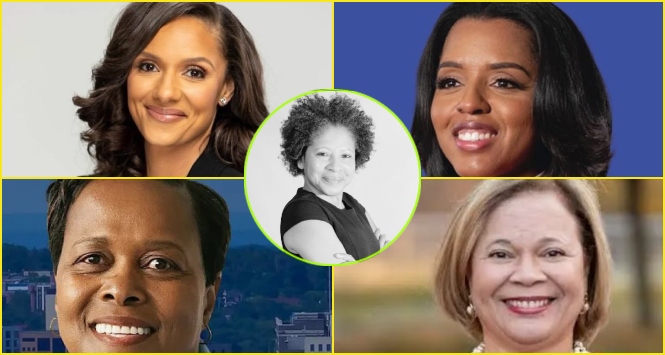
In an election night marked by historic firsts, Black women across America transformed the face of local leadership, winning key mayoral races in major cities from Detroit to Albany, Charlotte, and Conyers.
Together, these victories mark a shift in political power! A bold statement about representation, resilience, and the reshaping of what civic leadership looks like in 21st-century America.
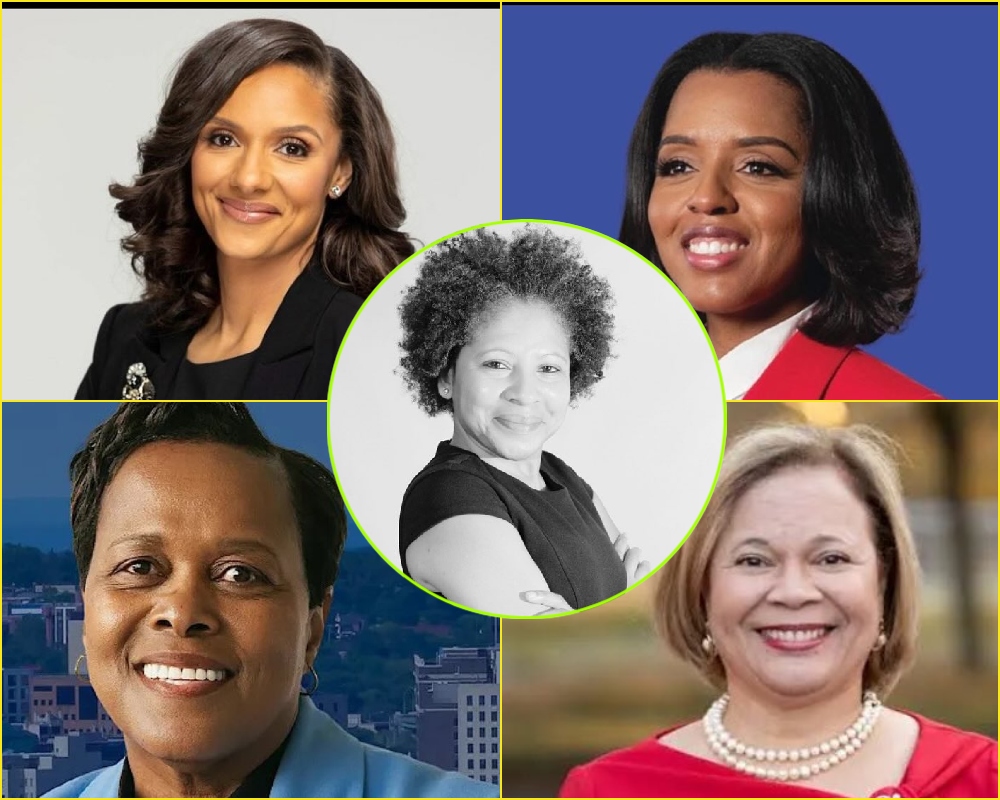
Mary Sheffield Breaks Detroit’s Glass Ceiling
In Detroit, Mary Sheffield made history as the city’s first woman and first Black woman mayor, securing a commanding 75% of the vote.
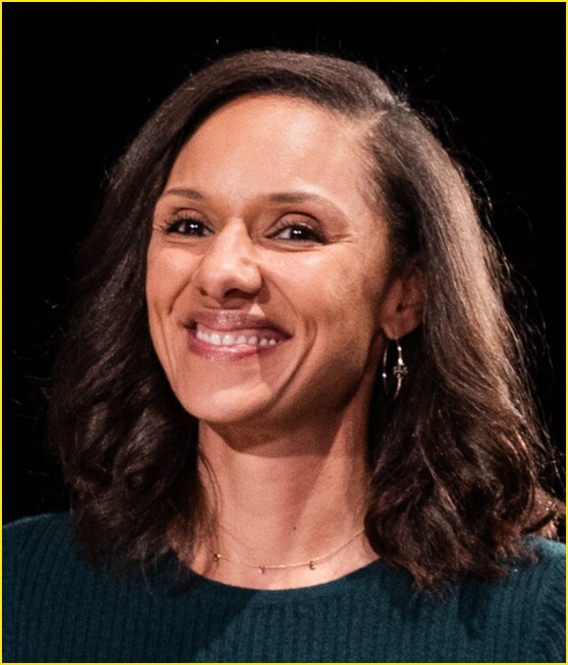
Sheffield, who rose to prominence as the youngest president of the Detroit City Council, ran a campaign rooted in public safety, affordable housing, and infrastructure renewal — issues deeply tied to Detroit’s rebirth after decades of economic hardship.
“This victory isn’t just mine,” Sheffield told supporters in her victory speech. “It belongs to every woman and every Detroiter who refused to believe our best days were behind us.”
Her triumph is also symbolic: in a city long shaped by Black political power but never led by a woman, Sheffield’s win represents both continuity and change.
Dorcey Applyrs Ends Albany’s 300-Year Wait
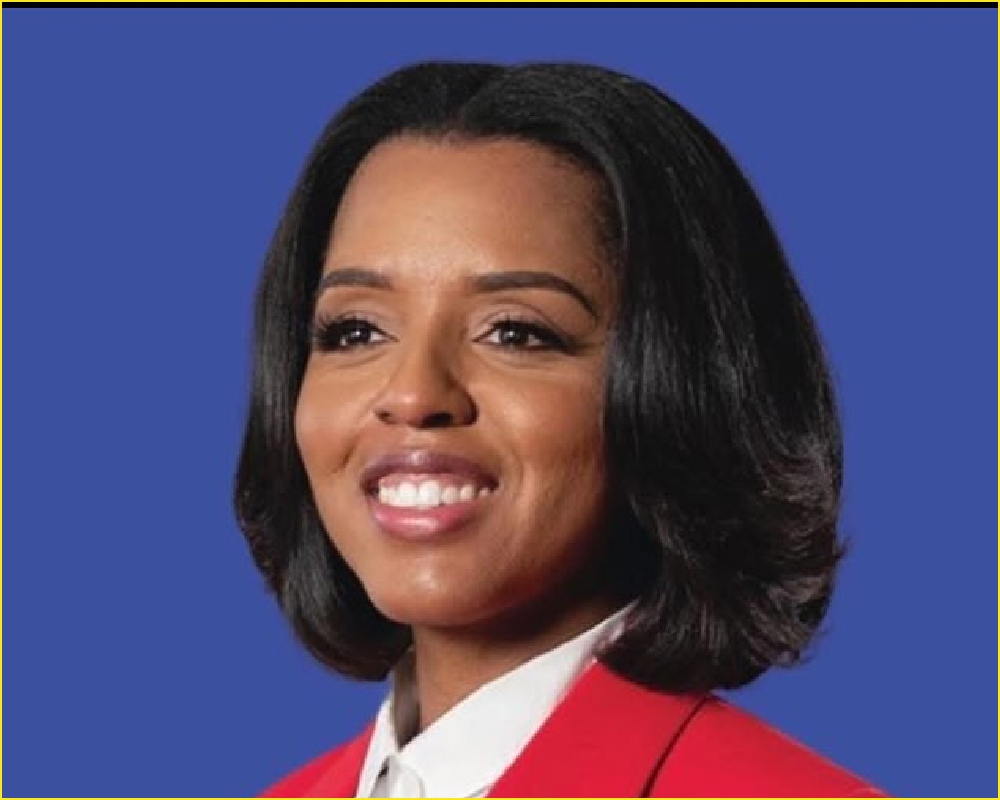
In Albany, New York, Dorcey Applyrs shattered a 300-year barrier to become the city’s first Black mayor, winning decisively with nearly 11,800 votes to 1,900.
Applyrs, a public health advocate and city council member, steps into a leadership void left by an outgoing incumbent — and into history books as a symbol of progress in a city known for its deep political traditions.
“This is not just about breaking barriers,” Applyrs said Tuesday night. “It’s about building bridges — between neighborhoods, between generations, and between what Albany has been and what it can become.”
Sharon Owens Makes History in Syracuse
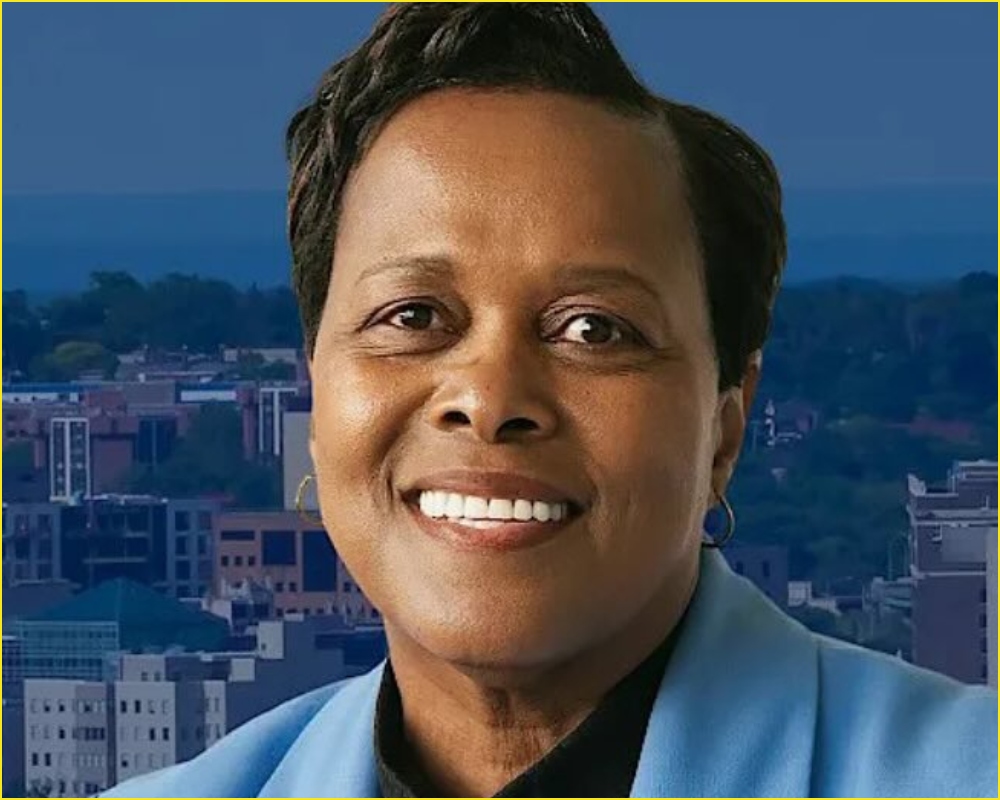
Syracuse voters also delivered a groundbreaking win, electing Sharon Owens as the city’s first Black mayor and only its second woman to ever hold the office. Owens won by a wide margin, pledging to focus on **housing affordability, community safety, and neighborhood revitalization.
“I want every child in Syracuse to know that leadership doesn’t look one way,” Owens said. “It looks like all of us — working together for the future we deserve.”
Her victory continues a pattern of upstate New York cities embracing more diverse leadership, a trend that signals both cultural and political change.
Vi Lyles Extends Her Legacy in Charlotte
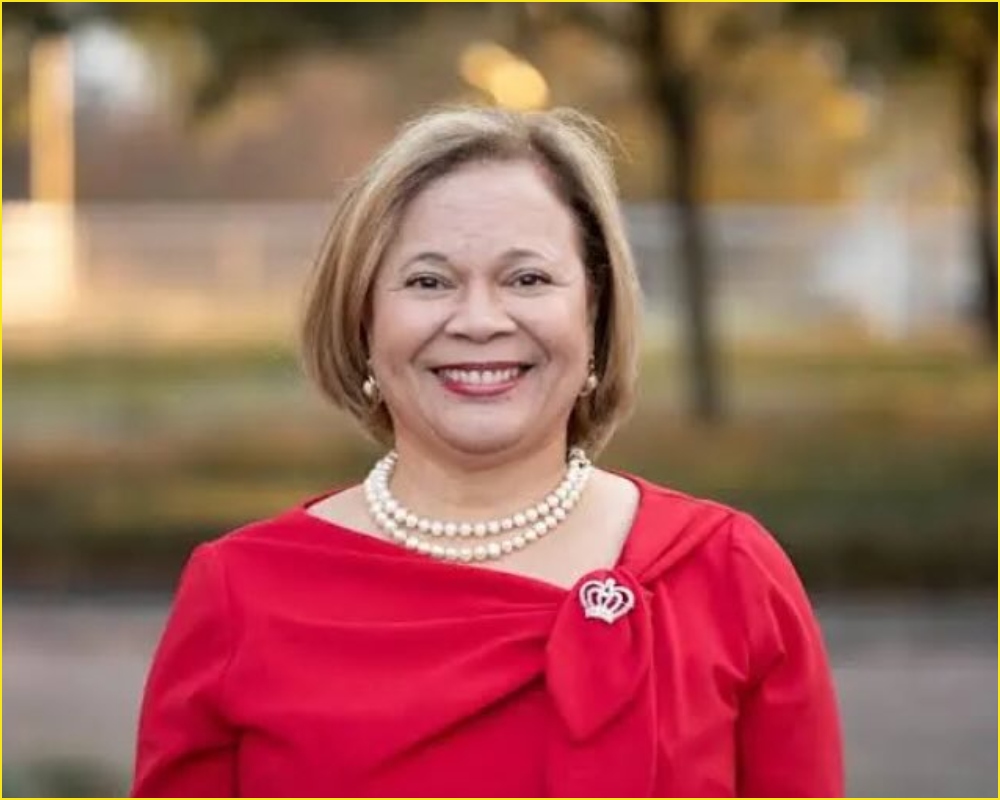
In Charlotte, North Carolina, Vi Lyles secured her fifth term as mayor with about 70% of the vote, underscoring her continued popularity in one of the South’s most dynamic urban centers.
Her re-election coincided with the passage of a key transportation tax referendum, a cornerstone of her long-term vision for regional mobility and equitable development.
Lyles — long regarded as a trailblazer in southern politics — has turned what began as a historic first into a sustained movement for pragmatic, inclusive governance.
Connie Alsobrook Breaks Barriers in Conyers
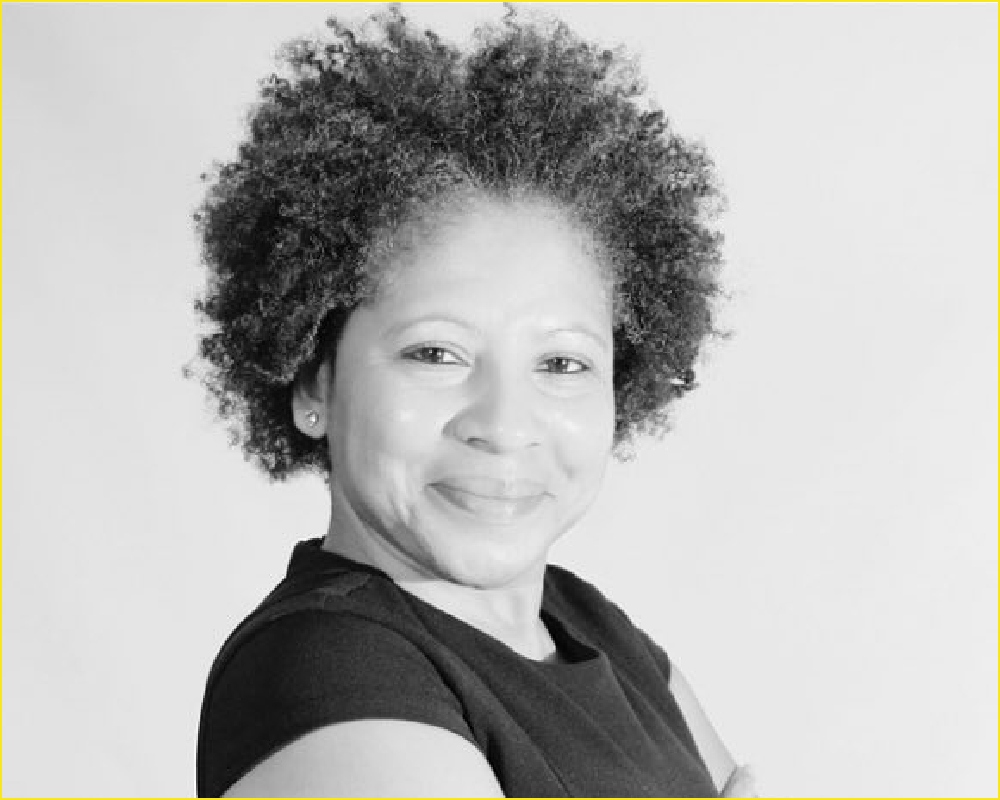
Further south, Conyers, Georgia, elected Connie Alsobrook, its first Black woman mayor, in a decisive win with 68% of the vote.
A former city councilwoman and advocate for community development, Alsobrook’s victory continues a wave of Black women rising from grassroots activism to executive leadership.
“Representation matters — not for symbolism, but for service,” Alsobrook said after her win. “When our communities see themselves in power, they believe in what’s possible.”
A Movement, Not a Moment
Taken together, these victories mark one of the most significant nights for Black women in local government in recent memory.
From the industrial Midwest to the Deep South, these mayors represent different geographies and priorities — yet they share a unifying theme: leadership grounded in lived experience and community accountability.
Political scientists note that while women of color have steadily increased their presence in city government, 2025’s outcomes demonstrate a tipping point — where visibility and viability now reinforce each other.
“These elections are a reflection of what happens when voters want both competence and connection,” said Dr. Shanelle Thomas, a political analyst at Howard University. “Black women are leading not because they’re breaking molds — but because they’re redefining them.”
Redefining Power, City by City
As these newly elected mayors prepare to take office, the message is clear: representation is reshaping the landscape of American governance.
With Trump’s second term marked by polarization and disillusionment, these women are built trust. And on election night, that trust translated into votes, into leadership, and into history.