
On a warm, cloudless afternoon, Black American women gather at a sidewalk café in Mexico City, chatting effortlessly in Spanish between bites of pastries and sips of coffee.
The conversation moves from dating to health care costs to the best place in the city for a proper chocolate chip cookie. It feels ordinary—until you realize what it represents: a quiet but powerful migration redefining where, and how, the American Dream is lived.
Since the COVID-19 pandemic, Mexico City has emerged as a magnet for Americans seeking a different life abroad. But among the growing wave of newcomers, Black women are carving out a particularly distinct presence—one rooted not in luxury or escape, but in safety, affordability, dignity, and possibility
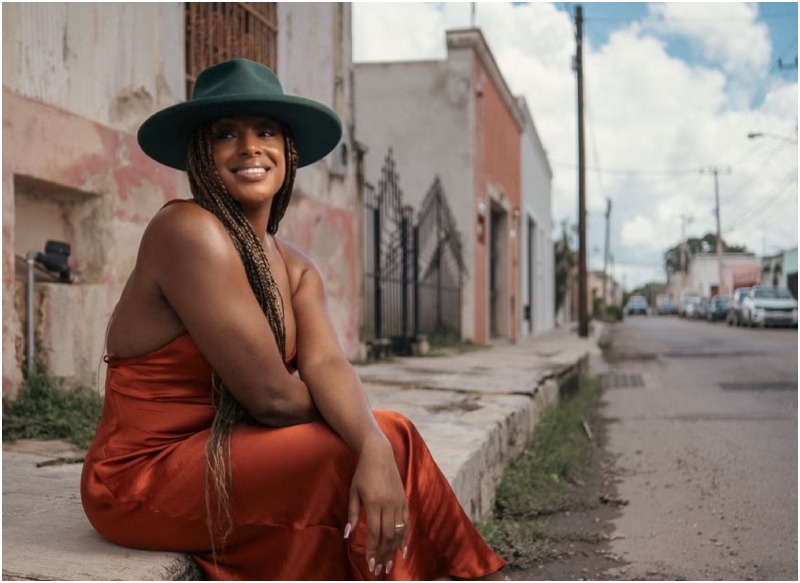
For Dianne Ray-Herman, a 67-year-old retired real estate professional from Little Rock, Arkansas, the move followed profound loss. After her husband died in 2019, she felt the weight of grief—and of a country that no longer felt like home. Mexico City offered something else entirely: renewal.
“It’s the new American dream to escape the States,” Ray-Herman said.
Mexico’s capital has long drawn creatives and intellectuals, from Jack Kerouac to Allen Ginsberg, and pioneering Black artist Elizabeth Catlett, who lived there in exile for decades. Today, it is drawing retired paralegals, former teachers, wellness coaches, and single mothers—women who say the promise of equity and freedom has too often been elusive in the United States.
While Mexico remains one of the most dangerous countries in the Western Hemisphere for women, Mexico City stands apart as a cultural and economic hub layered with history, art, contradiction, and opportunity. For many Black women, it is also a place where race feels less weaponized.
“Here I feel like a Black person, not a Black person under suspicion,” said Sara Wright, a 69-year-old retired paralegal from the San Francisco Bay Area now living in the Colonia Doctores. “No one is tripping on me or making assumptions about me because I’m Black.”
That sentiment echoes across neighborhoods. Zakiya Harris, a life and wellness coach from Oakland, California, arrived during the pandemic with her teenage daughter amid lockdowns, protests, and rising instability back home. Today, she is a legal resident building a life—not a temporary stay.
“As a person of African descent, I felt safe here,” Harris said. “I came here to create a home and a life for my family.”
Many of these women reject the label “expat,” choosing instead to call themselves immigrants—a deliberate distinction. Unlike short-term digital nomads, most are pursuing or have secured temporary or permanent residency. They shop locally, learn Spanish, rent from Mexican landlords, and actively engage with their communities.
Their presence, however, exists within a broader and more contentious debate. Mexico City has seen growing protests against gentrification, with demonstrators decrying soaring rents and the influx of foreigners. In boroughs like Cuauhtémoc—home to trendy Condesa and Roma Norte—rents have risen about 27% since 2020, pricing out local families.
The women acknowledge the tension but argue they are not the face of luxury-driven displacement. Many live in less affluent neighborhoods, share apartments, and rent modestly. Foreigners may pay around $1,082 a month for a studio—nearly triple the city’s average monthly salary.
“I respect this country and the fact that I’m allowed to live here,” said Lisa Vice, a Jersey City native. “I know the gift I’ve been given to be a global citizen.”
That awareness extends to politics and ethics. Watching aggressive immigration crackdowns in the United States—often targeting Mexican migrants—has been painful for women who feel welcomed in Mexico. It has deepened their resolve to engage respectfully and consciously with their adopted home.
For mothers like Annick Sorhaindo, a women’s health researcher raising a young son in Mexico City, the move is about safety and future. Her son attends a multilingual school, studies robotics and Capoeira, and navigates a world where curiosity outweighs suspicion.
“Being Black in the U.S. is like Superman on Krypton,” Sorhaindo said. “You only realize your power once you leave.”
Others, like former Texas teacher Adalia Aborisade, have turned relocation into reinvention. Now the founder of *Picky Girl Travels the World*, Aborisade helps Black women navigate global mobility, financial literacy, and life abroad. Working fewer hours, she spends her days learning salsa, hosting walking groups, and savoring a slower pace of life.
“This city is magical,” she said. “It’s like the center of the universe.”
Mexico City is not perfect. Violence against women remains a national crisis. Protests against corruption, harassment, and gentrification are frequent. But for these Black women, the city offers something rare: space to breathe, to be seen without suspicion, and to imagine a life not defined by survival.
In the end, their migration is less about leaving America—and more about finally exhaling.
Here, they say, they are not running away.
They are arriving.

