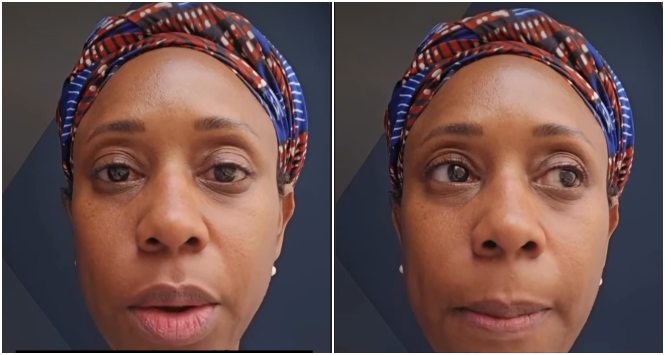
A Black woman living in Lithuania says she is facing criminal charges and up to three years in prison after an altercation at a ski resort that she claims began with racial discrimination and escalated after a white employee became emotional and contacted police.
The controversy has ignited intense online debate about race, policing, and what some activists describe as the weaponization of “white women’s tears” against Black women.
The story is gaining widespread attention after Black Lives Matter activist Davone “Day” Madison and the alleged victim, @hazelberryskinfood, shared the unfolding case on Instagram, warning their followers that the case reflects the impossible standards Black women are often expected to meet when responding to racism.
“A Black woman in Lithuania faces prison because of a white woman’s tears,” Madison wrote. “The minute we show anger, frustration, or defend ourselves, the consequences can come down on us twice as hard.”
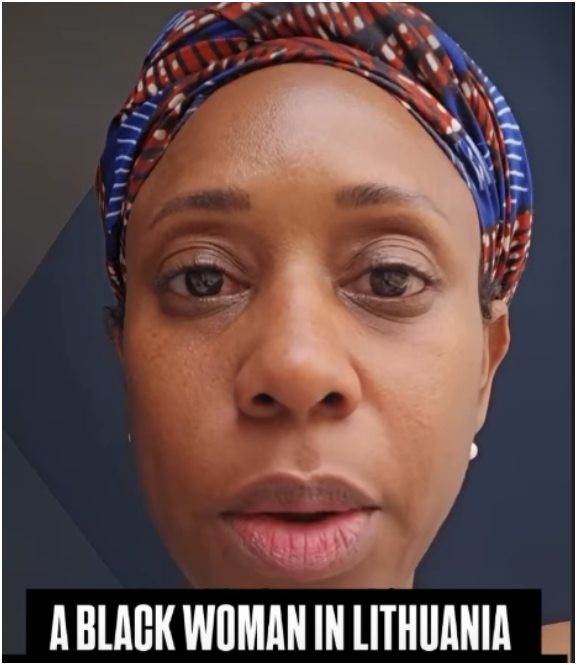
The woman at the center of the controversy, who posts online under the handle @hazelberryskinfood, says she has been criminally charged for “insolence to white people” after criticizing a white woman involved in the dispute and discussing the incident publicly on social media.
“Yes, I have been charged with insolence to white people,” she said in a video posted to Instagram. “Criminally charged for mocking, humiliating a white woman, disrespecting her and posting about white women’s tears in my Instagram stories.”
According to her account, the incident began in February 2025 when she took her daughter for a private ski lesson at a ski park in Lithuania. She alleges that an employee refused to serve them twice before eventually processing their request and then charging her daughter twice for a ticket.
The woman said that when she questioned the additional charge and requested a refund, the employee allegedly slammed her hand in a kiosk window before becoming emotional and calling police.
“She proceeded to cry and lock herself in the room and have a meltdown,” the woman claimed, adding that several men later surrounded and intimidated her before police arrived.
According to her video, authorities ultimately acknowledged the double charge and issued a refund days later, but she says she was subsequently treated like a criminal while still at the resort.
“They followed me around as I took [care of] my daughter and her teacher,” she said.
The woman argues that her real offense was reacting angrily to what she perceived as racial discrimination.
“My crime, I guess, is responding and criticizing this racial discrimination,” she said. “Black women should employ superhuman calmness in response to racial discrimination or [face] three years in prison.”
Madison’s post connected the incident to broader discussions surrounding race, gender, and credibility, particularly the historical perception that white women’s distress is often viewed as more believable or urgent than the experiences of Black women.
“This is why people talk about white women’s tears like they are harmless when they are not,” Madison wrote. “Too often those tears become a weapon.”
The phrase “white women’s tears” has increasingly appeared in discussions around racial bias and social power dynamics, referring to situations where displays of distress by white women are perceived to redirect sympathy, escalate punishment, or shift public narratives against people of color particularly Black women and men.
The allegations surrounding the Lithuania case have not yet been independently verified, and details regarding the exact criminal statute involved remain unclear.
However, the story has already sparked international discussion online about racial bias in Europe, the treatment of Black expatriates abroad, and the emotional burden many Black women say they carry while navigating public confrontations.
For many commenters, the woman’s statement about “superhuman calmness” became the emotional center of the debate, highlighting the pressure Black women often describe feeling to remain composed even in moments of humiliation, fear, or discrimination in order to avoid harsher consequences.