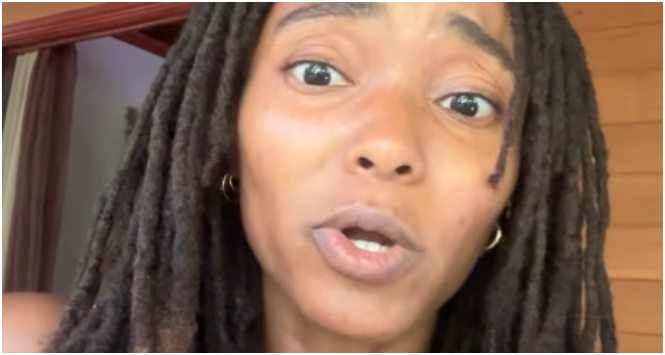
A woman is sharing with the world a candid reflection on how nearly a year without dating, kissing or pursuing romantic relationships greatly improved her life.
Casey Molina, who shared her experience on Instagram, said the decision to embrace celibacy and step away from romantic connections fundamentally changed how she views herself, relationships and the amount of energy she gives to others.
“I’m a high-capacity person who has had a propensity to find and take care of low-capacity people,” Molina said in a video that has drawn widespread attention online.
The content creator described herself as someone who once believed she could not function without romantic connection. Looking back, she said dedicating an entire year to herself revealed patterns of self-abandonment that had followed her through previous relationships.
“I would have never conceived that I could have done a year of just genuinely not engaging in anything romantically,” Molina said.
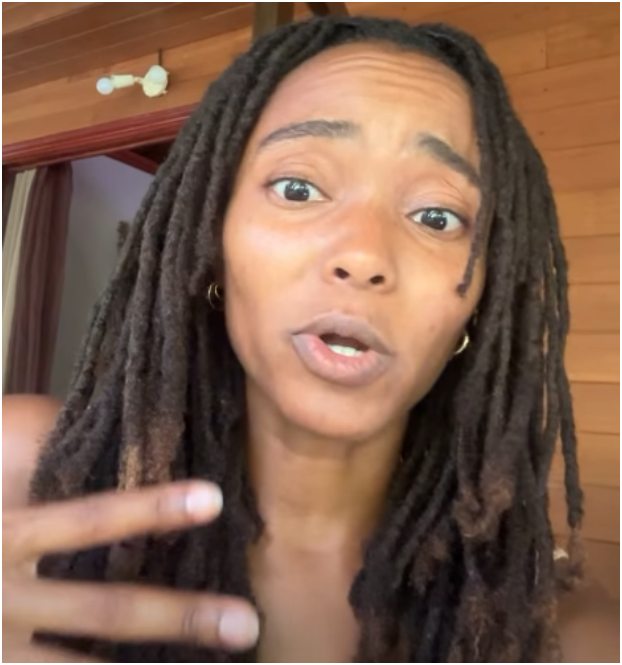
According to her, the experience was not about rejecting love or relationships. Instead, it became an opportunity to redirect energy toward personal growth, hobbies, business goals and major life changes.
In a post accompanying the video, Molina revealed that the past year included moving countries, expanding her business and exploring interests that had long taken a back seat while she focused on romantic partners.
She said many people mistakenly assume self-love is simply a feeling rather than a practice.
“I think often people conflate self-love with the practice of loving yourself,” she explained.
Molina described how she frequently poured her emotional energy into relationships, sometimes at her own expense. Whenever she entered a new romantic partnership, she said, much of her attention shifted toward meeting another person’s needs instead of her own.
During her year of celibacy, she began to recognize just how much capacity she had to care for herself when that energy was no longer being directed elsewhere.
“Love becomes an action when you realize how much capacity you actually have to show up for yourself,” she said.
One of the biggest lessons she learned, she noted, was the difference between standards and expectations.
In her view, standards are non-negotiable values and boundaries that apply regardless of who enters a person’s life, whereas expectations are specific hopes placed on individuals who may not be able to meet them.
Molina also offered advice to self-described “lover girls” and “lover boys” who naturally devote large amounts of emotional energy to others.
“A lot of the love that they have needs to be redirected,” she said.
She argued that highly caring people can sometimes attract partners who become dependent on their willingness to give, creating one-sided relationships where emotional labor is not equally shared.
The extended period of self-reflection, she said, helped her develop stronger boundaries and a greater appreciation for her own needs.
“What my break from romantic involvement has taught me is that I’m a high-capacity person who has had a propensity to find and take care of low-capacity people,” Molina said.
Now, she believes spending time alone has made it easier to identify relationships that might compromise her well-being.
“The things that start to compromise that look a lot less appealing,” she said.
While stressing that her journey is not a blueprint for everyone, Molina encouraged people to consider taking time for reflection if they find themselves repeatedly experiencing unhealthy relationship patterns.
Her message has struck a chord with many social media users, particularly those navigating dating fatigue, emotional burnout and questions about what healthy love should look like.
For Molina, the year-long experiment was ultimately less about celibacy itself and more about learning to invest in the person she had often neglected most—herself.