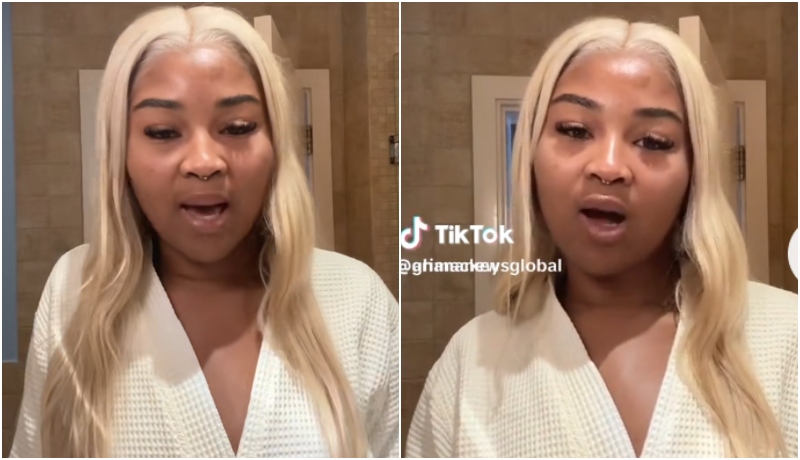
An American content creator who claimed that she was kidnapped, robbed, and extorted by masked police officers in Ghana has gone into hiding, officials say.
The Ghana Police Service say her story doesn’t line up with reality.
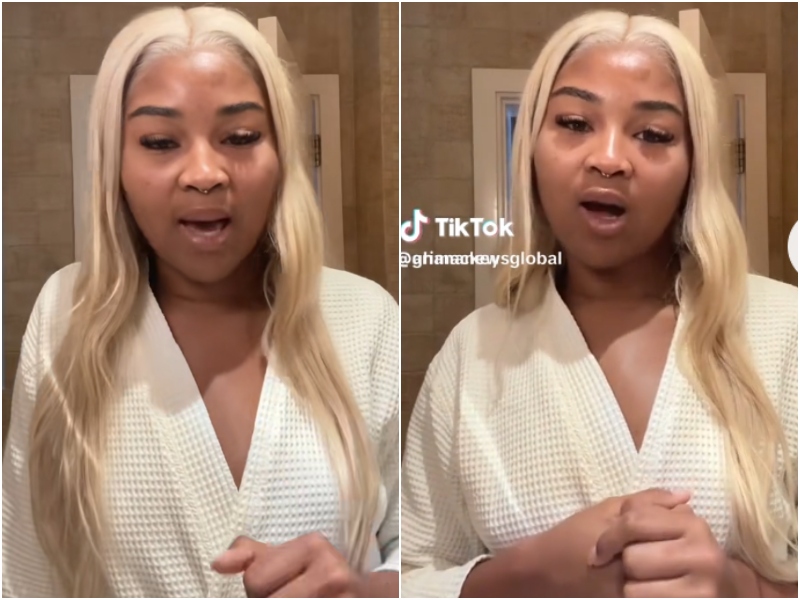
Ari Mackey, a U.S. TikToker with more than 34,000 followers, posted a video on Dec. 8 alleging that three masked officers stopped her Uber in Accra, seized her belongings, forced her into their patrol vehicle, and later drove her to an ATM to withdraw cash. She said the men covered the license plate on the official police vehicle, wore no badges, and “completely covered their faces.”
“I was kidnapped and robbed by the police in Ghana,” she said in the now-deleted video that has been re-posted on other platforms. “If you’re going to Accra for Detty December, make sure you don’t look rich.”
The allegations landed at the height of Ghana’s December tourism boom, the period known as Detty December, when tens of thousands of diaspora travelers flood the country for festivals, nightlife, and reunions.
But as the video spread, skepticism in Ghana rose just as quickly.
Ghanaians Push Back: “This Doesn’t Sound Like Ghana Police”
Across TikTok and X, Ghanaians fired off rebuttals, arguing that the behaviors described by Mackey don’t resemble standard police practice.
“There’s no police officer who is masked in Ghana,” one commenter wrote.
“This is definitely not the Ghana Police, and I’m standing on that,” another said.
A popular Ghanaian TikToker was more direct: “The Uber driver knows the people. They weren’t Ghana Police.”
Others acknowledged that while low-level bribery at checkpoints can occur, kidnapping tourists is far outside the norm.
“Ghana police will not kidnap you,” one user said. “They’ll just ask you to give ‘something for the boys.’”
A former nightclub DJ who said he has dealt with security agencies for more than a decade added:
“Police here don’t cover their faces. They don’t remove license plates. And at night, patrol officers look nothing like what she described.”
Police Launch Investigation — But Say Mackey Has Gone Silent
Less than 24 hours after the video went viral, the Ghana Police Service announced a full-scale investigation.
But in a Dec. 9 statement, the Criminal Investigation Department revealed a twist: the complainant has stopped cooperating.
CID investigators say:
- Mackey checked out of her hotel on Dec. 5 — a day before the date she claims the incident occurred.
- Airport records show she left Ghana the same day.
- She has provided no names, badge numbers, or vehicle plate information.
- She says her Ghanaian friend “does not want to be involved.”
- She has deleted the viral video.
- She has blocked investigators on WhatsApp and stopped responding.
- She has now switched her Instagram account from public to private, limiting access as the controversy escalates.
Police say they are now seeking her cooperation through diplomatic channels.
“The Ghana Police Service treats such allegations very seriously,” the CID said, “and remains committed to uncovering the facts.”
A Tourism Reputation at Risk
Ghana has spent years cultivating its image and living up to the reputation as one of Africa’s safest travel destinations, a cornerstone of its December tourism economy. Mackey’s story — accurate or not — threatens that reputation at a time when digital narratives spread faster than official statements.
“This is about more than one TikTok story,” a tourism analyst noted. “It’s about trust.”
What Really Happened?
Mackey’s dramatic claims drew global attention, but her abrupt silence and disappearance from public view (she has deleted the video and made her social media private) across multiple platforms have raised new questions.
- Was she targeted by criminals posing as police?
- Did she misinterpret a frightening but legitimate interaction?
- Or did something else entirely take place?
With Mackey unavailable, no witness stepping forward, and key details unverified, the case remains clouded in uncertainty.
For now, police say the investigation continues. Whether it finds answers may depend on whether the woman who started the controversy decides to re-engage.