Nearly half of Black women in the UK who raised concerns during labor say they were not given appropriate support, according to a damning new report that underscores deep-rooted racial disparities in maternal healthcare.
The landmark study, conducted by Five X More, surveyed over 1,000 Black and mixed-race individuals who were pregnant between July 2021 and March 2025, and reveals a consistent pattern of dismissed pain, ineffective communication, and unmet medical needs during one of life’s most vulnerable moments: childbirth.
- 45% of Black women raised concerns during labor.
- Of these, 49% said their concerns were not properly addressed.
- 23% of respondents did not receive pain relief when they requested it, and 40% of those received no explanation why.
- 54% reported challenges dealing with healthcare professionals.
- 28% experienced discrimination during maternity care.
- Only 6 in 10 rated their antenatal care as good or high quality.
- Just 20% had been informed about how to make a complaint.
Black Women Deserve Better Care and Communication
The findings were described as a “call to action” by Five X More co-founders Tinuke Awe and Clotilde Abe, who said the UK’s maternity care system continues to fail Black women despite years of warnings.
“Black women deserve to be treated with dignity at every stage of their maternity journey,” they said. “The burden cannot keep falling on them to make the system work.”
The UK has long struggled with racial inequalities in maternal health. Black women are up to four times more likely to die during childbirth than white women. They also experience higher rates of complications and perinatal mental health issues.
I Was Treated Really Poorly
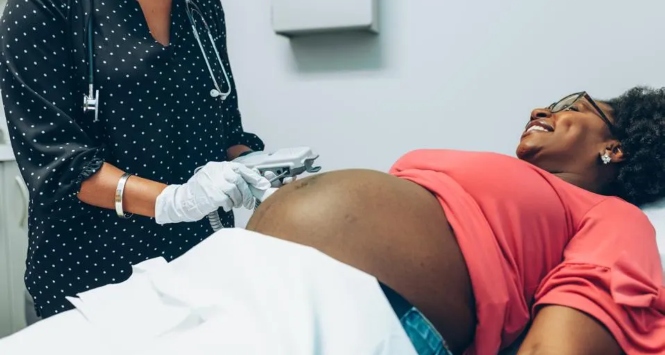
The report includes harrowing testimonials, including from one respondent who underwent an emergency C-section and had to repeatedly call nurses for pain relief.
“I was in excruciating pain and was sick for 13 hours,” she recalled. “I received more support from other mothers and their partners than from the midwives.”
This kind of experience is not isolated. Many Black women in the study described feeling ignored, unsafe, or actively mistreated, while others noted the emotional exhaustion of having to constantly advocate for their own care.
Lawmakers and Health Officials Respond
MP Paulette Hamilton, chair of the all-party parliamentary group on Black maternal health, called the findings “deeply troubling, but sadly not surprising.”
“These shocking figures expose a healthcare system that too often fails Black mothers and puts lives at risk,” Hamilton said. “We urgently need better training, greater accountability, and culturally competent care.”
The Department of Health and Social Care responded to the report, calling the findings “unacceptable” and reaffirming that no woman should go unheard, dismissed, or discriminated against during maternity care.
A national maternity and neonatal investigation has been launched by the UK government, which health officials say will help deliver safe, inclusive, and compassionate care.
Beyond the Data: A Human Rights Issue
While the report lays bare the data, advocates argue that at its core, the issue is about human dignity and trust. Black mothers are not only facing higher medical risks, but also systemic disbelief and disempowerment at a time when empathy and attention should be non-negotiable.
“Too many Black women go into labor prepared to fight for their lives and their voices,” said a maternal health advocate. “That should never be the expectation. That is a failure of the system.”
What Comes Next
Five X More says it is calling for:
- Mandatory anti-racism and cultural competency training for maternity staff.
- Increased representation of Black women in policy-making roles.
- Clear, accessible reporting and accountability systems.
- Culturally sensitive care pathways that center the lived experiences of Black mothers.
As one mother put it in the report: