New York Attorney General Letitia James stood before a federal judge in Norfolk, Virginia, on Friday, Nov. 24, and pleaded not guilty to two felony charges of bank fraud and making false statements to a financial institution.
The courtroom moment, brief but seismic, carried unmistakable political undertones. The indictment was brought by Lindsey Halligan, a Trump-appointed interim U.S. attorney, just days after Trump publicly demanded the Justice Department “act NOW!!!” against James and other perceived adversaries.
“Not guilty, judge, to both counts,” James said clearly, speaking for herself before U.S. District Judge Jamar Walker.
James, 65, who successfully sued President Donald Trump for civil fraud, was released on her own recognizance. Her trial is scheduled for January 26, 2026, and is expected to last no more than two weeks.
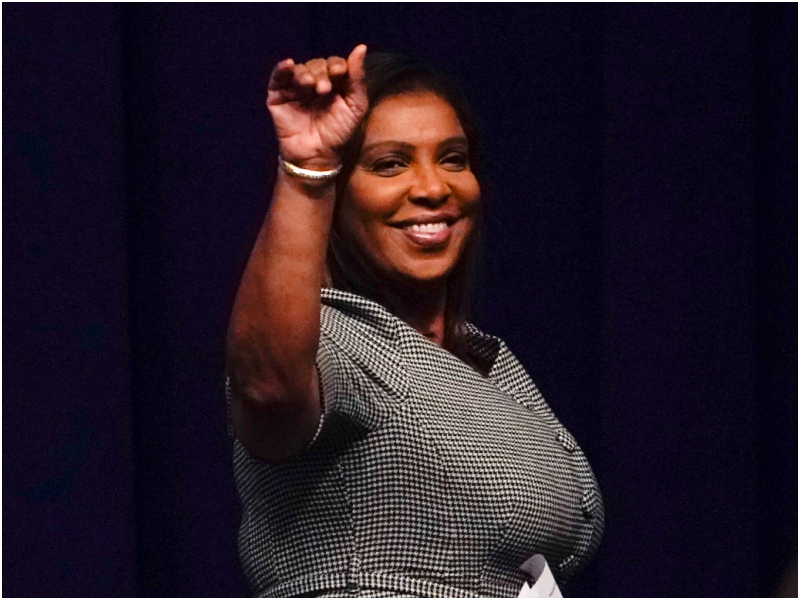
A Case Steeped in Politics and Personal Retribution
The charges stem from a 2020 home purchase in Norfolk, where prosecutors allege James falsely claimed the property was a “second home” to secure a lower mortgage rate, when in fact it was being rented to a family.
The government contends she collected rent and saved nearly $18,000 over the life of the loan, calling the act a “tremendous breach of public trust.”
Yet, internal Justice Department documents appear to contradict key elements of the government’s case. According to sources familiar with a September memo to former U.S. Attorney Erik Siebert, prosecutors found that James had actually purchased the home for her great-niece, who lived there rent-free with her children. The niece reportedly told investigators that she never signed a lease, never paid rent, and that James often helped cover household expenses.
If accurate, those findings undercut the prosecution’s claim that James profited from the transaction, raising the possibility that the indictment may have been motivated more by politics than by evidence.
“This isn’t law enforcement; this is vengeance,” one constitutional expert noted. “It’s part of a broader campaign to weaponize the justice system against political opponents — something Americans should find deeply concerning.”
The Trump Factor: From Civil Defendant to Political Adversary
Letitia James is no stranger to political warfare. Her high-profile civil suit against Donald Trump and the Trump Organization resulted in a ruling that found Trump liable for financial fraud, marking a historic legal blow to the former president’s empire.
Now, critics say, she’s being targeted in return.
The indictment against James came between federal cases against former FBI Director James Comey and ex–National Security Adviser John Bolton, both also labeled “political enemies” by Trump. Halligan, who filed the charges, was appointed after Trump fired her predecessor, who had reportedly questioned the legality of such prosecutions.
James, addressing reporters outside the courthouse, didn’t hold back:
“This is not about me — it’s about all of us,” she said. “Our justice system has been weaponized and used as a tool of revenge. But my faith is strong. I still believe in the rule of law.”
Her words drew applause from supporters gathered outside, many holding signs reading “Justice, Not Retribution.”
A Troubled Prosecutor and a Growing Ethics Cloud
Halligan herself now faces scrutiny after revelations that she allegedly sent encrypted Signal messages to a reporter about James’ case, communications that appear to violate federal disclosure rules.
During the hearing, Judge Walker referenced a motion by James’ legal team to ban Halligan from extrajudicial communications, noting that while no sanctions were yet requested, the court was “concerned about the optics of a prosecutor texting journalists about an active case.”
James’ lead attorney, Abbe Lowell, argued that the leaks compromised the integrity of the process.
“There’s a difference between a defendant speaking publicly under First Amendment protections and a federal prosecutor secretly messaging reporters using apps that delete evidence,” Lowell said.
Judge Walker has ordered filings on James’ vindictive prosecution claim to be submitted by Nov 1, 2025, consolidating the issue with a related motion challenging Halligan’s appointment.
What’s at Stake
If convicted, Letitia James could face up to 30 years in prison per count, fines of up to $1 million on each, and forfeiture of the Norfolk property.
But beyond the personal consequences, this case may redefine how far a sitting president can reach into the machinery of justice to punish political foes.
What makes the case so unusual is not the alleged mortgage discrepancy. Prosecutors rarely pursue such matters criminally when intent to defraud isn’t clear, but the pattern of timing, appointment, and pressure from Trump himself, who continues to use social media to demand criminal consequences for opponents.
Legal scholars note that the Department of Justice’s independence, already tested under past administrations, is facing its most severe strain in modern history.