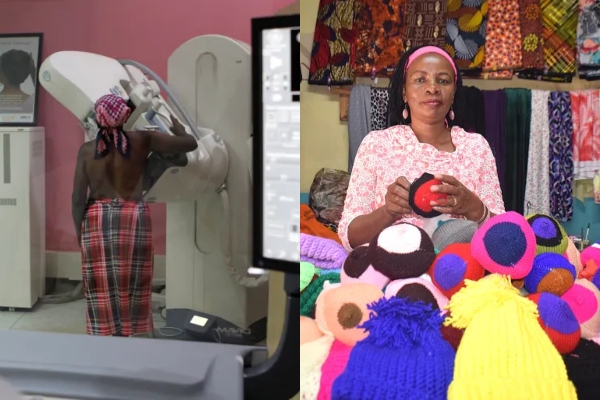
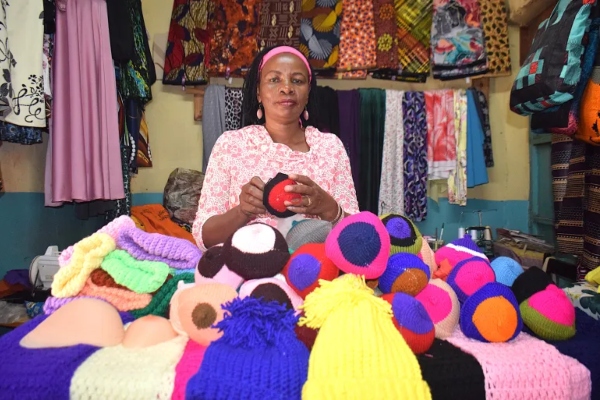
In a small tailoring shop in Thika, Kenya, the hum of sewing machines blends with the quiet rhythm of knitting needles—an unlikely soundtrack to one woman’s quiet revolution.
For 52-year-old Mary Mwangi, knitting began as a childhood pastime. Today, it is a source of dignity, income and healing, not just for herself but for hundreds of breast cancer survivors navigating life after mastectomies in a country where stigma can be as painful as the disease.
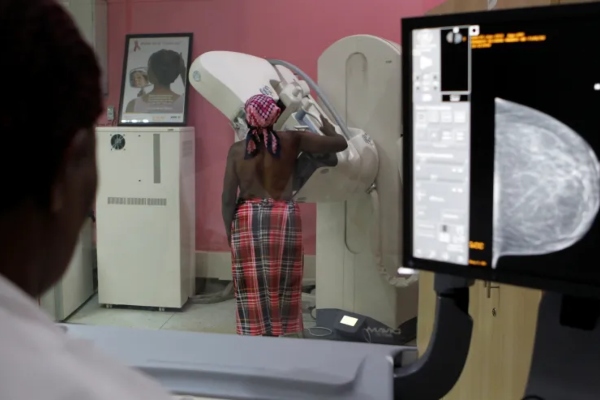
Mwangi’s journey to this work began in suffering. First came spine cancer in 2017, leaving her bedridden for nearly a year. Then, just as she regained her footing, she was diagnosed with stage-three breast cancer the following year.
The treatment lasted four years and cost her far more than her hair and strength: she lost her savings and a $10,000 loan she had taken to expand her tailoring business.
“I felt like it was the end of me,” she tells Al Jazeera. “I isolated myself. Losing a breast affects your dignity.”
In her community, she was whispered about as “the woman whose breasts were cut.” The emotional toll was devastating—and all too familiar for Kenyan survivors. Many women resort to oversized scarves and layers to hide their chests, not just from strangers, but from judgement.
But in her darkest moments, Mwangi reached for the familiar: yarn, needles, and the steady motion of knitting. It became therapy, distraction, and eventually, purpose.
An idea born from pain—and resilience
During a cancer support group meeting, Mwangi encountered her next calling: knitted breast prostheses. Silicone options, while common in wealthier countries, can cost up to 22,000 Kenyan shillings ($170)—far out of reach in a nation where millions live below the poverty line.
Mwangi realised she could offer an affordable, handmade alternative. Today, she sells knitted prostheses for 1,500 shillings ($11.60) each. They’re soft, lightweight, washable, and crafted in different sizes and colors. She produces about 50 every week and has sold more than 600 so far, with hundreds more donated through partnerships with Kenyan hospitals and nonprofits.
Her tailoring shop doubles as a training space—part workshop, part support group—for women rebuilding their sense of self after illness. Survivors gather to talk, knit, and rediscover confidence.
One of them is 33-year-old Jane, a new survivor who initially sat silently at the back of the room, consumed by shame. Mwangi offered her not only a prosthesis, but reassurance. Five months later, Jane had moved to the front of the group, eager to speak.
“Her courage returned,” Mwangi said. “That’s what this work is about.”
A movement powered by women, stigma, and survival
Mwangi’s impact now extends far beyond her needles. She leads the New Dawn Cancer Warriors support group, fostering the kind of emotional solidarity many women say they can’t find in formal healthcare settings.
Psychologist Joy Kulet says the knitted prostheses do more than restore appearance—they restore identity.
“Losing a breast is not only physical; it is psychological,” she said. “These prosthetics help women regain their sense of self.”
Mwangi has trained more than 200 women, including survivors like 46-year-old Hannah Mugo, who now earns income knitting seven prostheses a week. Another trainee, 58-year-old liver transplant survivor Mary Patricia Karobia, says the workshops provide income, solidarity, and healing.
“Making prosthetics gives me joy,” she said. “I’m helping women regain their self-esteem.”
The challenge ahead
Mwangi dreams of scaling her efforts, but barriers remain. Yarn prices fluctuate. Her small shop only fits four trainees at a time. She can’t afford to register as a training school. Still, she remains undeterred.
“My dream is to train as many cancer survivors as possible,” she said. “I want them to have their own independent businesses one day—so they too can earn a living through knitting.”
In a world where cancer often strips women of so much, Mwangi is stitching together something powerful: community, dignity, and hope—one knitted breast at a time.