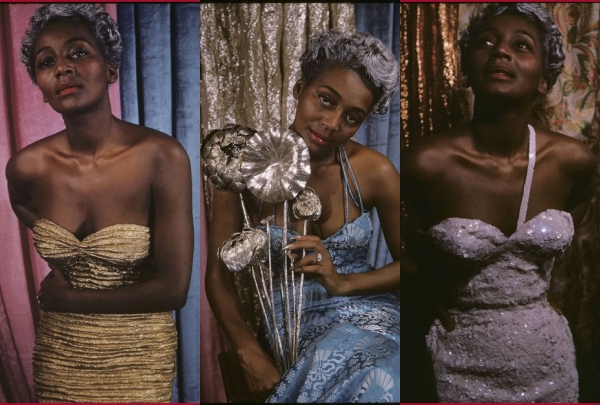
Long before modern pop icons reshaped music, Joyce Bryant was already doing it—commanding stages with a four-octave voice, dazzling audiences with silver hair and dramatic gowns, and boldly confronting racism at the height of segregation.
Nicknamed the “Bronze Blonde Bombshell,” Bryant was one of the most electrifying Black performers of the 1940s and 1950s. Yet at the peak of her fame, she made a stunning decision: she walked away from Hollywood’s spotlight to pursue faith, education, and civil rights activism.
From Strict Upbringing to Stardom
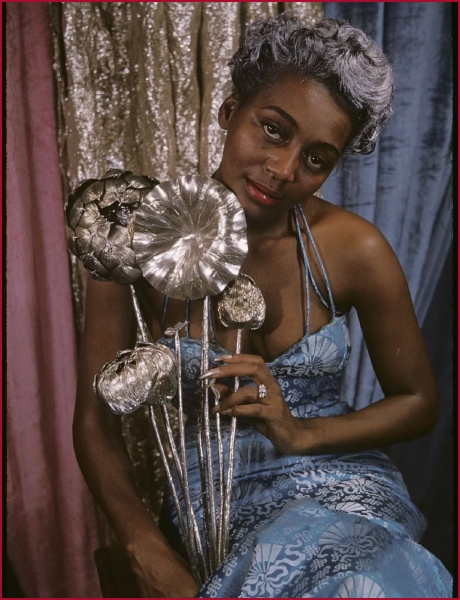
Born Ione Emily Bryant on October 14, 1927, in Oakland, California, she grew up in a strict Seventh-day Adventist household that discouraged entertainment careers. Her parents opposed her singing and enforced strict rules on lifestyle and appearance.
At just 14 years old, Bryant briefly married in an attempt to escape her restrictive environment. Soon after, her path into entertainment began almost by accident. In 1946, while visiting relatives in Los Angeles, she accepted a dare to sing on stage at a nightclub—and stunned the audience.
The club owner immediately offered her money to perform again, launching a career that quickly accelerated.
By the late 1940s, Bryant was touring nationally, performing at elite venues including New York’s Copacabana and Washington, D.C.’s Casino Royal, where she became one of the first Black singers to perform in 1954.
The Making of an Icon
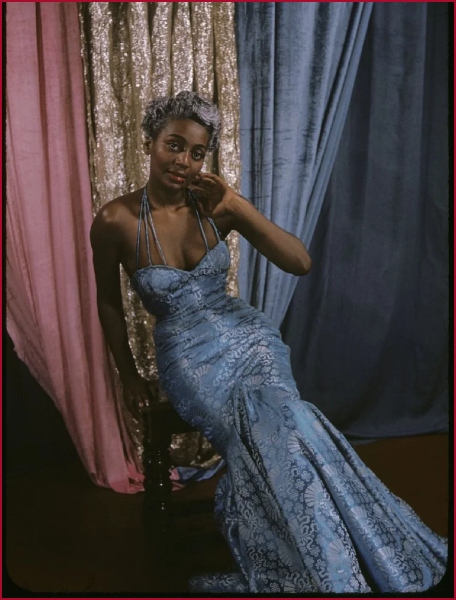
Bryant’s stage persona was unforgettable. She dyed her hair metallic silver—sometimes using radiator paint—and wore form-fitting gowns so tight she occasionally had to be carried to the microphone.
Her voice, spanning four octaves, earned her widespread acclaim, and she became known as “The Belter,” “The Black Marilyn Monroe,” and the “Bronze Blonde Bombshell.”
Despite her fame, Bryant faced constant racism and sexism. She performed in segregated venues where Black entertainers were barred from dining, staying in hotels, or using public facilities.
In one infamous incident in 1952, while scheduled to perform at a whites-only Miami Beach hotel, members of the Ku Klux Klan burned her effigy ahead of her appearance.
She refused to back down.
Activism and Resistance
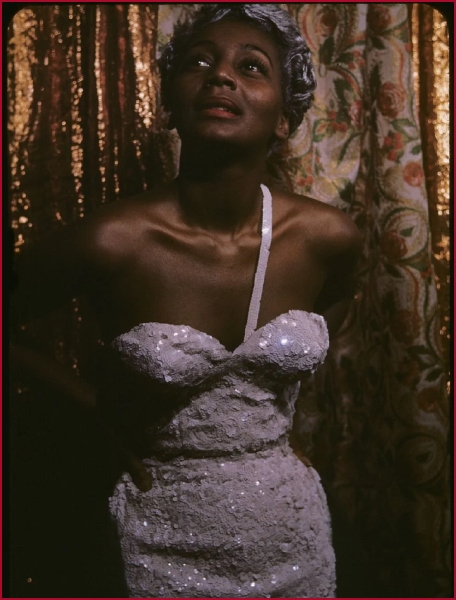
Bryant was outspoken about discrimination in the entertainment industry, urging Black performers to unite against segregation. She rejected roles and performances that reinforced racist stereotypes.
On The Ed Sullivan Show, she resisted pressure to wear a bandana meant to soften her image for white audiences—a move widely seen as an attempt to impose the “Mammy” stereotype.
Her activism extended beyond words. She collaborated with Dr. Martin Luther King Jr., helping raise funds for Black communities and advocating for civil rights causes during the 1950s and early 1960s.
Breaking Point and Reinvention
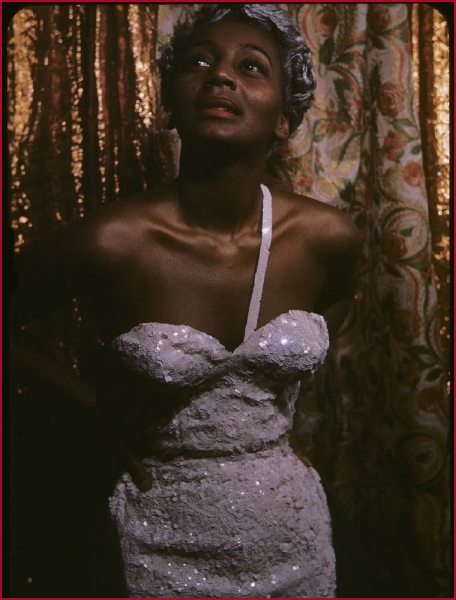
Behind the glamour, Bryant struggled deeply with how the industry treated her.
She later revealed feeling objectified, pressured, and commodified—even as a teenager. Her breaking point came in 1955, when her manager reportedly pushed doctors to use narcotics to force her to perform despite medical complications.
Bryant refused.
Soon after, she stepped away from mainstream entertainment at the height of her fame.
She returned to her religious roots, enrolling at Oakwood University, a historically Black Seventh-day Adventist institution, and later reinvented herself through classical vocal training at Howard University.
Bryant went on to teach voice, mentor future stars, and perform opera with the New York City Opera.
Legacy of Courage and Integrity
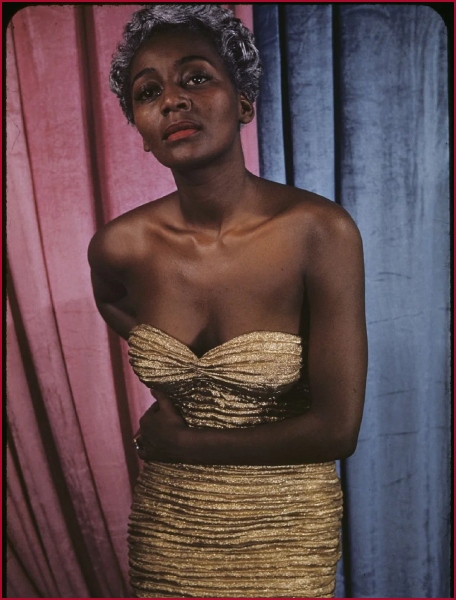
Joyce Bryant lived to the age of 95, leaving behind a legacy that extends beyond entertainment.
Her story reflects the complex realities faced by Black women entertainers—navigating racism, exploitation, and societal expectations while pushing boundaries.
Today, she is remembered not only for her dazzling stage presence but also for her courage in standing up for equality and walking away from fame in pursuit of faith and justice.
As Black History Month highlights trailblazers who shaped culture and civil rights, Bryant’s life stands as a powerful reminder that true influence is measured not only by fame, but by conviction.