
A Detroit mother of five who survived being shot six times by a city police officer last year has filed a $25 million federal civil rights lawsuit, reigniting debate about police use of force, constitutional protections and accountability in law enforcement.
Tracey Allen, a 30-year-old African American woman, says a routine traffic stop in Oct. 2025 escalated into a life-threatening confrontation that left her hospitalized with bullet wounds to both arms and a leg and questioning how she survived what she describes as an unwarranted attack.
From Traffic Stop to Tragedy: Allen’s Story
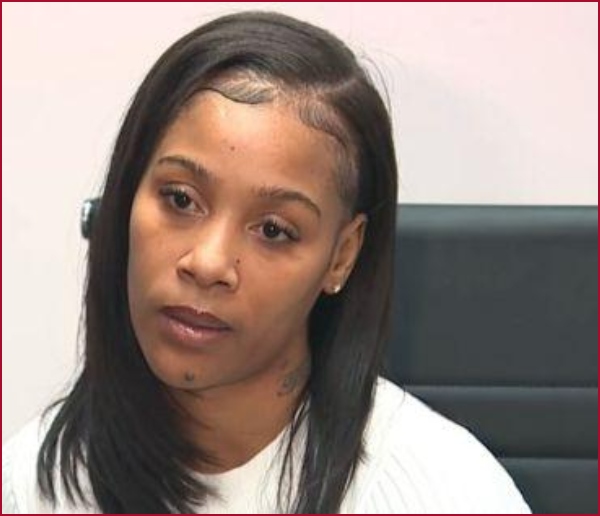
According to court filings and Allen’s public statements, the October encounter began when a Detroit police officer pulled her over near Eight Mile and Van Dyke for minor vehicle violations, including allegedly tinted windows and an obstructed license plate. Allen maintains she answered officers’ questions but became frightened by the interaction and asked for a supervisor, a request she says was ignored.
Fearing for her safety, Allen called 911 during the encounter while still at the side of the road. She told the dispatcher she felt unsafe and intended to drive to the nearest police station.
Moments later, additional officers arrived and, according to Allen and her attorney, forcibly opened her vehicle, pepper-sprayed her, and then followed her as she attempted to reach safety.
Court records allege that the officers boxed in her truck and that Officer Zachary Melvin fired multiple shots into the vehicle, striking Allen six times even though she posed no physical threat.
“I thought I was going to die,” Allen said in a press statement announcing the lawsuit, describing how she feared for her life as the shots rang out.
After the shooting, Allen drove herself a short distance to a police precinct, where responding officers initially drew weapons on her before realizing she had been wounded and needed urgent medical attention.
Official Response and Scrutiny
In the weeks that followed, Detroit Police Chief Todd Bettison reviewed body-worn camera footage and acknowledged that the officer’s actions violated department policies, including the decision to fire at a moving vehicle. The officer involved, Melvin, was subsequently suspended without pay.
Despite initial statements suggesting Allen had refused to comply with officer requests, the video evidence indicated she had provided her license and registration, but the supervisor was never summoned, which her legal team has cited as a critical policy failure.
Federal Lawsuit and Broader Implications
Allen’s lawsuit, filed in the U.S. District Court for the Eastern District of Michigan, names both Officer Melvin and the City of Detroit as defendants. It alleges that excessive force was used in violation of her Fourth Amendment rights against unreasonable seizure and excessive force, as well as the Fourteenth Amendment’s equal protection guarantees.
Attorney Maurice Davis, representing Allen, has said that the case is about both individual accountability and systemic policing practices. “This level of violence against a non-threatening civilian is unacceptable, unlawful, and it has to stop,” Davis said during a press conference.
The lawsuit seeks $25 million in damages to cover physical injuries, long-term medical care, emotional trauma, lost income and pain and suffering. As of now, the Wayne County Prosecutor’s Office has not announced any criminal charges in connection with the incident, and the Detroit Police Department has not released full body-camera footage to the public, despite Freedom of Information Act requests.
A Larger Conversation on Policing
Allen’s case adds to a long line of civil rights lawsuits alleging police misconduct against Black Americans—echoing national concerns about how and when police use deadly force, and raising questions about the training, policies and oversight of law enforcement agencies.
Whether the lawsuit will force broader reforms remains to be seen, but Allen and her supporters hope that public attention to her story will spark greater accountability and systemic change. As she and her attorney pursue justice in court, her survival after being shot six times underscores both the physical and emotional toll such encounters can have on victims and their families.

