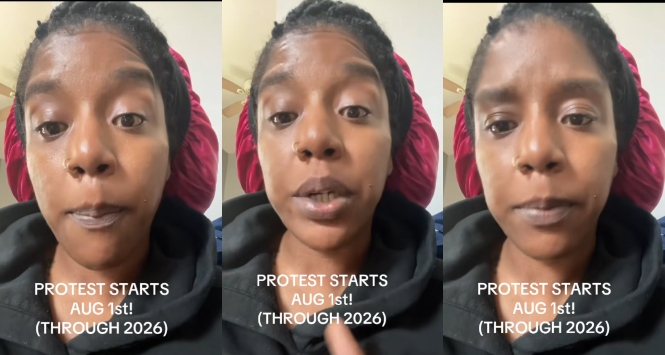
A growing online campaign urging Black Americans to boycott African-owned braid shops and other Black immigrant-run businesses has ignited a firestorm of controversy on social media.
The movement, largely promoted under the hashtag #ShayaShelf, calls for a “complete blackout” of African braid shops, restaurants, and retail outlets starting August 1. Supporters of the boycott have cited negative customer service experiences, claims of disrespect, and perceived condescension from some African business owners as the basis for the protest.
One TikTok user, posting under the handle @ray.bandz4, delivered a passionate video backing the boycott, saying:
“Ain’t no African ever braided my hair, put their hands in my head, or none of that… Let them really feel the heat.”
The user went on to criticize African business owners for what they described as “bootlicking” behavior and a lack of respect for African American consumers.
The protest campaign has triggered a deep and often emotional divide online — and the backlash has been swift.
Critics have condemned the boycott as xenophobic, misguided, and dangerously divisive. One popular Instagram comment pushing back against the movement read:
“All this energy for Africans? But are you boycotting the Asian hair stores? Asian nail shops? Chinese restaurants? Arab gas stations? Indian convenience stores? Seems like Black Americans only have this negative energy for Black immigrants. Interesting.”

“What kind of respect do you want from Africans ? You want them to dance for you each time they see a black American? You need to find peace in your ❤️it’s obvious that you have deep hurts and it’s jealousy that you have.”
Others have voiced concern that the campaign undermines efforts to build solidarity between African Americans and African immigrants in the United States — two communities that already face overlapping challenges related to racism, economic exclusion, and cultural misunderstanding.
“I’m seeing way too much anti-African rhetoric disguised as ‘advocacy for better service,’” one Twitter user wrote. “This isn’t activism — it’s a targeted attack on other Black people.”
The boycott push comes amid larger national conversations about Black economic empowerment, cultural tensions, and the impact of the post-pandemic economy on small businesses. It also reflects an ongoing struggle within the Black diaspora in the U.S. over identity, respect, and historical memory.
Some of those defending the boycott insist it’s not about African heritage but about accountability.
“If your business treats people poorly, you shouldn’t be shielded from criticism just because you’re Black,” said another commenter on YouTube. “This is about behavior, not race.”
Still, many others fear that #ShayaShelf and its message could fuel broader divisions between Black communities at a time when unity is needed most.
While it remains unclear how widespread the boycott will become, the ripple effects are already being felt, not only in braid shops and markets, but in the online spaces where debates about Black identity, consumer power, and immigrant relations continue to rage.
As the campaign’s August 1 launch date approaches, one thing is certain: the conversation has already forced a reckoning — one that is playing out in the hearts, minds, and wallets of Black communities across the country.