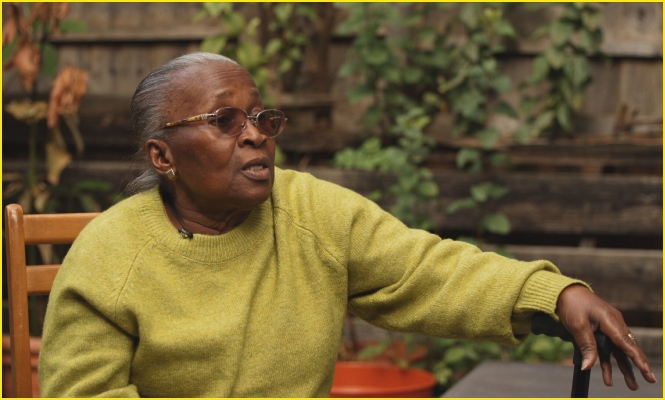
After an arduous process, 81-year-old British citizen Hannah Dankwa has finally stepped foot back in the United Kingdom.
Dankwa’s return home after four long months was a moment of profound relief for her family who say they were failed by the very system meant to protect them.
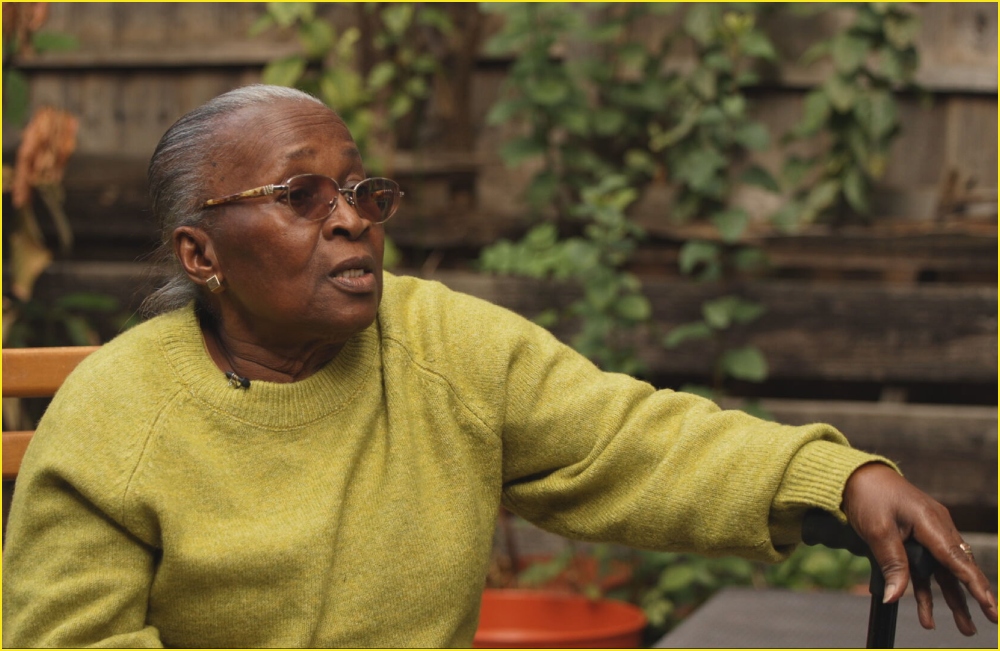
Wearing a bright green cardigan and a tired but unmistakable smile, Dankwa arrived at Heathrow Airport on an overnight flight from Accra, Ghana, greeted by her jubilant family and a table overflowing with home-cooked dishes — fried plantain, jollof rice, and fresh fruit lovingly prepared by her grandchildren.
For a woman who has lived in Britain since the age of 19, the return marked not just the end of an ordeal, but the rekindling of her dignity after what her supporters describe as a shocking bureaucratic failure by the Home Office.
A Holiday That Turned Into a Nightmare
Dankwa’s ordeal began in April 2025, when she traveled to Ghana for what was meant to be a brief 16-day holiday to visit relatives. But when she attempted to board her return flight to London, she was barred from traveling — allegedly because of an “irregularity” in her date of birth on travel records.
Her family immediately provided documentation proving her long-term residence and right to remain in the UK, along with medical records confirming her ongoing cancer treatment. But in a stunning move, the Passport Office ruled that she did not meet the threshold for an emergency travel document.
The decision left the elderly woman stranded in Ghana — without her medication, her doctors, or her home — while her family in North London scrambled to secure her return.
Desperate, they contacted then–Home Office Minister Seema Malhotra, only to be told that the government’s stance remained unchanged.
Pressure and Public Outcry
It wasn’t until Channel 4 News brought the case to national attention on Aug. 28, 2025, that the tide finally turned. Within 24 hours of the report airing, the Home Office issued an emergency travel document, allowing Dankwa to fly home — four months after her planned return.
The move came only after public outcry and intervention from the Windrush Commissioner, Reverend Clive Foster, who directly urged the Home Office to act on “compassionate grounds.”
Foster, in a statement, said:
“It should not have taken media pressure and my intervention for Hannah to be allowed home. The decision that an 81-year-old with a serious medical condition ‘did not meet the threshold for an emergency’ shows a failure of compassion and a troubling lack of urgency.”
He added that his office will conduct a formal review of the case and propose reforms, including training for consular staff and better safeguards for elderly or medically vulnerable citizens stranded abroad.
The Windrush Echo
Dankwa’s case has reignited painful memories of the Windrush scandal, in which hundreds of long-term UK residents from Commonwealth nations were wrongfully detained, denied services, or deported due to immigration errors.
Reverend Foster called the scandal “a Commonwealth failure still reverberating through British institutions,” arguing that Dankwa’s treatment reflects a deeper problem of institutional misunderstanding and cultural insensitivity within the Home Office.
Her family agrees.
“Our mother was born in Ghana but spent her entire adult life here,” said one relative. “She worked, paid her taxes, raised her family in North London. To be told she didn’t belong — after all these years — was beyond cruel.”
The family estimates they have spent tens of thousands of pounds on legal fees, travel costs, and medical expenses while trying to bring her home. Dankwa, now back in the UK, is still without a permanent British passport and is waiting for the Home Office to correct the record.
Home Office Responds
In a statement following her return, a Home Office spokesperson said:
“We are working closely with Ms. Dankwa and welcome her return to the United Kingdom. Each passport application is carefully assessed on its individual merits, based on the evidence provided, and documents are issued once all required checks have been successfully completed.”
But notably absent from the response was any apology or acknowledgment of the distress caused.
A Bittersweet Homecoming
At her family’s North London home, the relief is palpable. Laughter fills the air as Dankwa, seated comfortably at the head of the table, jokes with her grandchildren about the “mountains of food” waiting for her.
Yet beneath the celebration lies a sense of injustice — one that may take far longer to heal than the months she was stranded.
For a woman who has called Britain home for over six decades, the experience has left deep emotional scars.
“I’m happy to be back,” she said quietly. “But I’ll never forget how it felt to be told I didn’t belong.”