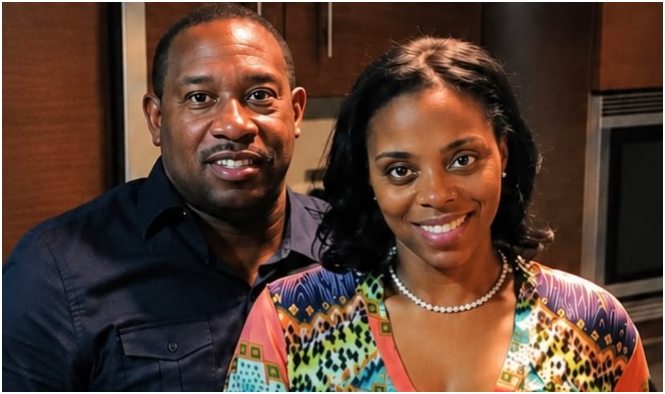
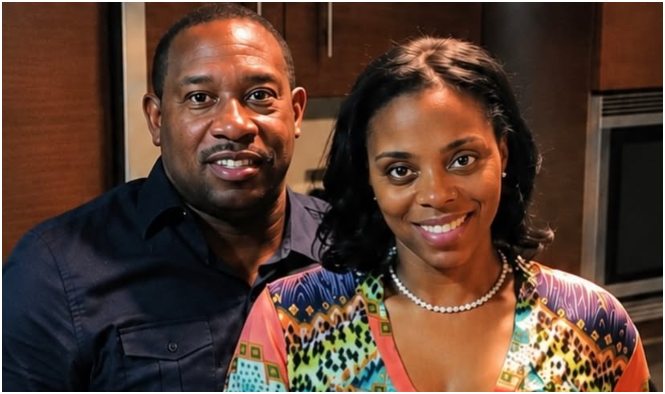
Philadelphia-based real estate influencers Gregory Parker and Danielle Parker have been indicted on federal fraud charges after prosecutors accused the couple of operating what authorities described as a years-long Ponzi scheme targeting aspiring investors and mentorship clients.
According to The Philadelphia Inquirer, the indictment, unsealed in Ohio’s Northern District Court, charges the couple with conspiracy to commit wire fraud and multiple counts of wire fraud tied to allegedly bogus real estate investment opportunities promoted online.
Federal prosecutors allege the Parkers persuaded clients to invest hundreds of thousands of dollars into distressed properties in Cleveland with promises of major returns, while allegedly using the money to finance luxury lifestyles, leased exotic vehicles, and private jet travel.
But one line from the indictment captured the emotional devastation many alleged victims say they experienced after trusting the influencers with their savings.
“I’m knee deep in debt right now,” one investor texted the Parkers, according to court filings.
Another allegedly wrote: “Big Bro, I’m still waiting on the refund.”
According to prosecutors, the Parkers marketed themselves online as successful real estate moguls capable of helping ordinary people achieve financial freedom through property investing.
Gregory Parker built a following under the name “Big Bizzneesss,” while Danielle Parker promoted entrepreneurship coaching and mentorship programs through her “Lady Millionaire Organization.”
Their flashy social media presence showcased luxury homes, designer lifestyles, exotic vacations, and motivational business advice aimed at followers hoping to break into real estate investing.
Authorities now allege much of that image was funded using investor money.
“In reality, the Parkers were operating a Ponzi scheme,” prosecutors wrote in the indictment. “They misled and lied to investors.”
The couple allegedly promised clients they would purchase and renovate properties in Cleveland neighborhoods and generate returns exceeding 20% through rental income and property appreciation.
Instead, prosecutors claim, many investors either received minimal payments or no returns at all.
Some payments allegedly served as “lulling techniques” meant to reassure worried investors and prevent complaints while newer money flowed into the operation.
The indictment claims the Parkers used investor funds to cover extravagant personal expenses, including nearly $20,000 per month for a fleet of 11 leased luxury vehicles and more than $23,000 to lease a private jet.
The federal case follows years of allegations from former clients and students who accused the couple of misleading inexperienced investors, particularly Black aspiring entrepreneurs seeking financial independence through real estate.
A 2023 investigation by The Philadelphia Inquirer detailed complaints from individuals who said they emptied retirement accounts, borrowed against 401(k)s, or invested life savings after attending Parker seminars and mentorship programs costing thousands of dollars.
Some alleged the properties they were sold were condemned, distressed beyond repair, or not even owned by the Parkers.
One former mentee, Drexel University student Benjamin Nelson, told reporters he invested $20,000 into a property deal after paying for personalized coaching, only to later feel abandoned.
“Playing with someone’s hard-earned money is the worst thing you can do,” Nelson reportedly wrote in messages seeking answers.
The Parkers also allegedly faced prior civil lawsuits accusing them of racketeering and fraudulent business practices tied to failed real estate ventures.
Danielle Parker has reportedly been released on bail, while Gregory Parker was detained pending further court proceedings.
The case has reignited online debate around social media “financial gurus,” especially influencers selling mentorships, wealth-building courses, and real estate coaching programs promising quick success.
Critics say the indictment highlights the growing dangers of influencer-driven investment culture, where aspirational branding and viral success stories can sometimes overshadow financial transparency and due diligence.
For many former followers, the federal charges now validate warnings they say were ignored for years.