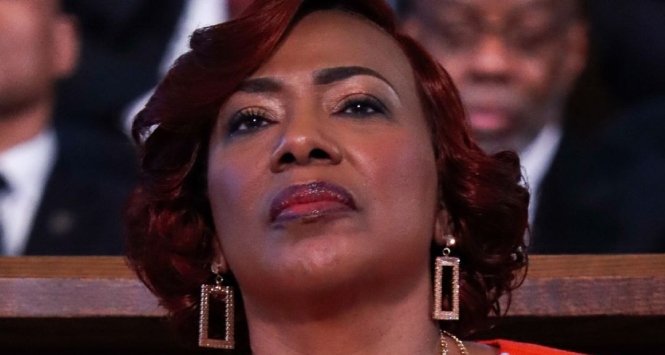
When Bernice King, daughter of Dr. Martin Luther King Jr., and Zelda Williams, daughter of comedian Robin Williams, both asked fans to stop circulating AI-generated videos of their deceased fathers, their pleas resonated across social media.
Their plea also reignited an ongoing debate about the limits of technology, consent, and respect for the dead.
Here’s what’s behind their shared stance — and why this issue matters far beyond celebrity families.
1. What Sparked the Controversy?
The latest discussion began when Zelda Williams, a filmmaker and daughter of the late Robin Williams, posted a strongly worded message on Instagram. In it, she criticized the use of AI recreations that mimic her father’s voice and likeness, calling them “horrible TikTok slop” and “disgusting over-processed hotdogs made out of the lives of human beings.”
Her plea was simple:
“If you’ve got any decency, just stop doing this to him and to me.”
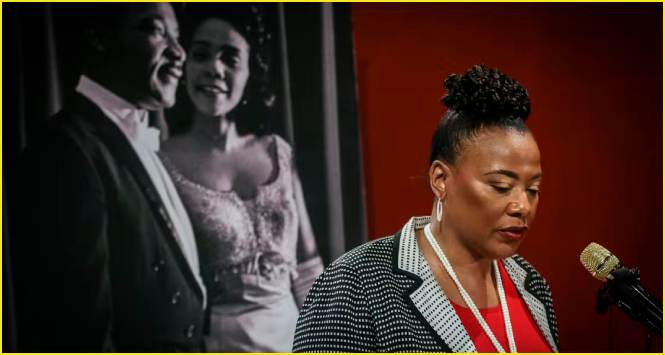
Soon after, Bernice King — a public speaker, lawyer, and the youngest child of Dr. Martin Luther King Jr. — saw the post and added her own voice to the conversation. Sharing it on X (formerly Twitter), she wrote:
“I concur concerning my father. Please stop.”
With that short statement, King connected the worlds of civil rights and pop culture around a common ethical dilemma — one rooted in AI’s growing ability to imitate the irreplaceable.
2. Why Are Families Upset About AI “Resurrections”?
For many, these AI-generated videos may seem harmless — even touching tributes. But for families like the Kings and Williamses, they’re anything but comforting.
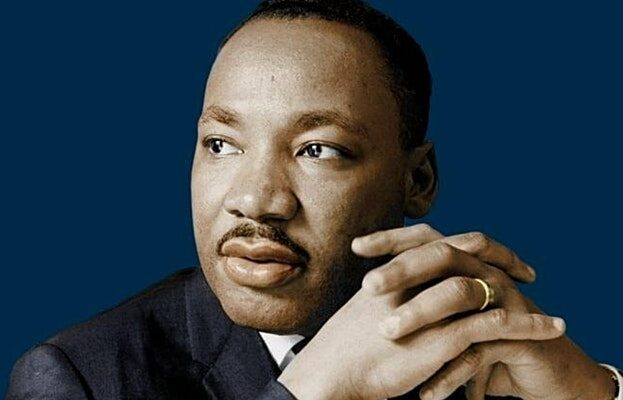
When AI is used to clone the voices or faces of people who have died, it often happens without consent, without emotional sensitivity, and without legal oversight. These digital “recreations” can twist real legacies into something hollow — or even misleading.
In the case of Dr. King, for instance, his voice and likeness have already been replicated in educational, political, and commercial settings. The risk, experts warn, is that AI versions of his speeches could be used out of context or altered entirely, distorting his message for clicks or profit.

For the Williams family, the concern is more intimate: the emotional toll of watching an algorithm turn a beloved comedian into digital content.
As Zelda put it, “You’re not making art. You’re making something gross.”
3. What Does the Law Say About This?
Surprisingly little — at least for now.
The right to control someone’s likeness after death, known as the “right of publicity”, varies widely from state to state. Some states, like California and Tennessee, protect posthumous image rights for decades. Others offer no protection at all once a person has died.
And because AI-generated recreations are so new, laws haven’t caught up. In most cases, there’s no clear legal requirement to ask a family’s permission before digitally recreating a deceased public figure.
That means someone could, in theory, generate a deepfake of Dr. King delivering an entirely fabricated speech — and unless it’s used for commercial profit, there may be no clear legal violation.
Legal scholars are calling this the next frontier of digital rights. One described it as “the Wild West of AI ethics.”

4. Why This Debate Matters Beyond Celebrities
The issue isn’t limited to famous families. AI is now capable of cloning anyone’s voice or image with minimal data. That raises ethical questions for grieving families, journalists, historians, and educators alike.
Imagine an AI-generated video of a deceased loved one being shared without your consent — or a teacher showing an “updated” Martin Luther King Jr. speech that AI partially wrote. In both cases, it blurs the line between tribute and tampering.
As Bernice King’s quiet message reminds us, technology may advance faster than our empathy. The power to re-create voices doesn’t mean we should use it — especially when the people who loved those voices most are still asking for peace.
5. The Bigger Picture: Technology, Legacy, and Respect
AI has revolutionized how we remember public figures. From holograms of Tupac to AI interviews “with” long-dead icons, the fascination is clear: people crave connection, even when it’s simulated.
But as families like the Kings and Williamses point out, reverence and replication are not the same thing. AI can simulate tone and likeness — but not humanity.
And while the technology raises exciting creative possibilities, it also demands restraint, respect, and clear regulation.
Until then, the message from both women stands as a moral compass in the noise of viral innovation:
“Please stop.”