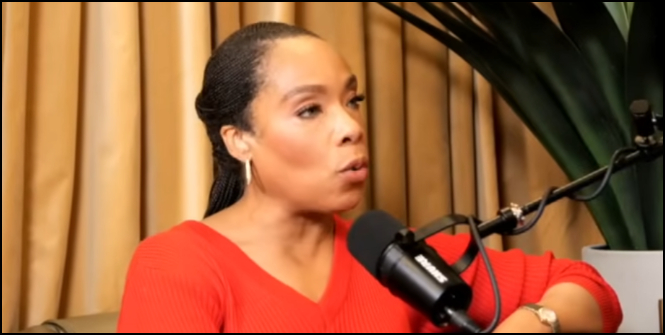
Fawn Weaver, founder and CEO of Uncle Nearest Premium Whiskey, appeared on camera this week from her Nearest Green Distillery in Shelbyville, Tennessee, addressing recent challenges and reaffirming her leadership of the celebrated spirits brand.
The celebrated entrepreneur whose whiskey brand has been touted as the fastest-growing Black-owned spirits brand in U.S. history, addressed her followers after what she described as a turbulent month that had many in the industry questioning whether the brand—and her leadership—would survive.
“They thought Uncle Nearest wouldn’t still be here,” Weaver said, visibly emotional in the video shared on Instagram. “A month ago, they thought that I would no longer be the owner and the CEO. But here we are. We grew.”
Her post, captioned “Thank you to the real ones. To those who didn’t wait until the battle was won, but said, ‘We’ll be your hedge.’ May God bless you for standing in the gap. I am honored. I am grateful,” was posted on Sunday, Oct. 20, has since triggered varied reactions online. It read less like a statement and more like a benediction—a note of gratitude amid resilience.
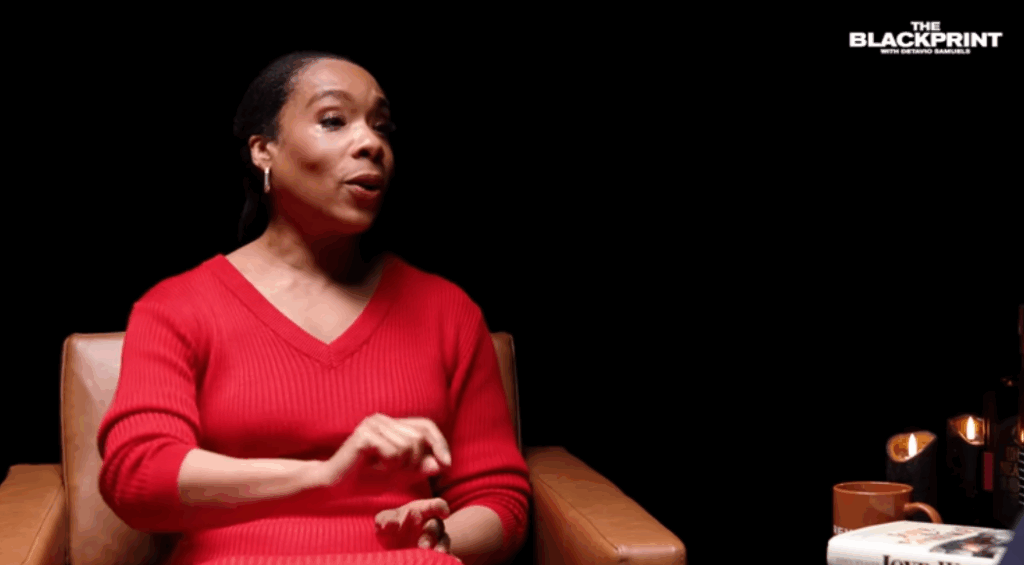
A Brand Born From Legacy
Weaver’s company, Uncle Nearest, honors Nathan “Nearest” Green, the formerly enslaved man who taught Jack Daniel the craft of distilling whiskey. Since its founding in 2017, the brand has disrupted the overwhelmingly white, male-dominated spirits industry with its success, social mission, and unapologetic storytelling.
But recent whispers about ownership and internal disputes had cast uncertainty around its future. Though Weaver didn’t detail specifics, her remarks hinted at behind-the-scenes challenges—possibly business or legal in nature.
“Y’all notice that I still ain’t filed nothing in court yet, right?” she said pointedly. “Okay, just put a pin in that.”
That line—calm but loaded—suggests that while legal filings may be pending, Weaver remains in control of both the company and the narrative.
Faith, Fortitude, and a Standing Ovation
The video recounts a moment that seemed to restore her faith in her work and community. She shared how a major distributor in Nashville, made up largely of white male executives, greeted her and her husband, Matt, with a standing ovation during a recent general sales meeting.
“It was mind-boggling,” she said. “Because we’re a company that a month ago, people thought wasn’t going to still be here… But those people, the ones who showed up, they’re the ones that held us up.”
Weaver revealed that just hours before recording, she received a call from a sponsor offering hundreds of thousands of dollars in renewed partnership support.
“They said, ‘We want to make sure the world knows we’re still backing you,’” she explained.
That level of loyalty, she suggested, is what has kept Uncle Nearest thriving in an industry not built for women of color.:
“For a long time, people saw the distributor tier—mostly white men—as a disadvantage. I always saw it as an opportunity. If I can make them fall in love with Uncle Nearest, I can make anyone fall in love with Uncle Nearest.”
A Broader Reflection On Power and Perception
Weaver’s message transcended whiskey. It was about endurance, identity, and trust—especially for Black women leading multimillion-dollar ventures in industries where they are often the only ones in the room.
Her calm but confident tone conveyed a hard-won wisdom.
“On the other side of this,” she said, “people are going to say, ‘We were with you the whole time.’ But I will know who really was.”
It’s a statement any business leader who’s faced turbulence can relate to, but for Weaver—one of the few Black women founders in the global spirits business—it’s layered with cultural and personal significance. She’s not just defending a brand; she’s defending a legacy.
The Power of Public Resilience
In an era when public faith in leaders often dissolves at the first sign of trouble, Weaver’s transparency is as strategic as it is human. By sharing her emotional truth before the full story unfolds, she controls the tone and preserves the trust of her base—something that can’t be easily bought or replaced.
The moment also underscores a larger narrative: Black women in business are often expected to perform miracles without faltering, and when they do, they are questioned more harshly than their counterparts.
Weaver’s resolve to “stand in the gap” for her team—and acknowledge those who did the same for her—reminds the public that endurance isn’t just about survival; it’s about faith in the unseen.