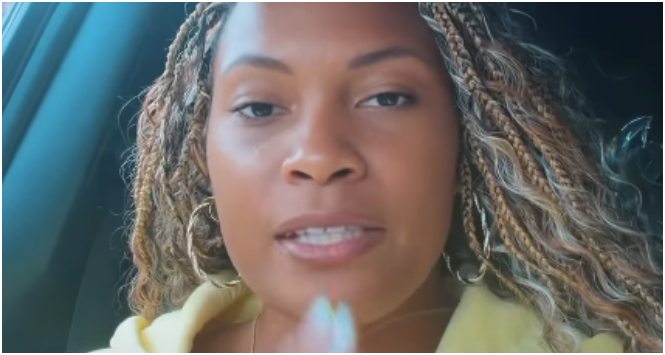
A viral Instagram video from youth mentor The Prison Dr. for Girls has gone viral online, especially because of how she bluntly calls out modern entertainment culture and social media messaging.
The mentor is arguing that some big names in music and on social media are contributing to emotional struggles among young girls.
In the widely shared clip, the mentor challenged society to examine the cultural influences shaping teenage girls, particularly the messages promoted through music, celebrity culture, and online platforms.
“We cannot keep mourning the outcome while refusing to address the message shaping the mindset,” she said in the video.
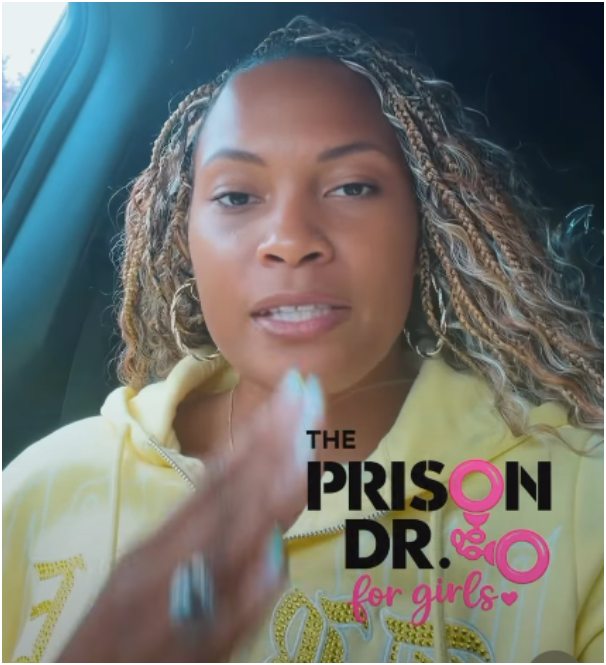
The speaker pointed to what she described as the normalization of hypersexuality, transactional relationships, emotional detachment, and “side chick culture” in mainstream entertainment.
She referenced artists including Cardi B, Sexyy Red, Nicki Minaj, and Latto while discussing the type of messaging she believes many young girls consume daily online and through music.
“What do you think will happen to the millions of young girls who listen to that same messaging every single day?” she asked.
The mentor clarified that she was not blaming music alone for the challenges facing girls today, acknowledging that factors such as trauma, poverty, unstable homes, abuse, and absent fathers also play major roles.
“Homes matter, fathers matter, trauma matters, poverty matters, abuse matters, environments matter,” she said. “Stop acting like influence doesn’t matter too.”
Her comments resonated with some parents, educators, and faith leaders who said social media increasingly shapes young people’s ideas about relationships, confidence, and identity before they develop emotional maturity or healthy boundaries.
“Young girls are learning about womanhood from social media before they learn discipline, self-worth, boundaries, emotional regulation, or even what healthy love actually looks like,” she said.
Others online pushed back against the argument, warning against placing disproportionate blame on female entertainers while broader systemic and social issues continue affecting children and families.
Still, the video generated widespread conversation around youth mentorship, media literacy, parenting, and the psychological impact of online culture on adolescents.
“The moment somebody decides to question the culture, people rush to defend these celebrities before they even defend their own children,” the mentor added.
She closed the video with a pointed question that quickly became the focal point of the debate:
“Are we building strong women? Or are we normalizing dysfunction and calling it empowerment?”