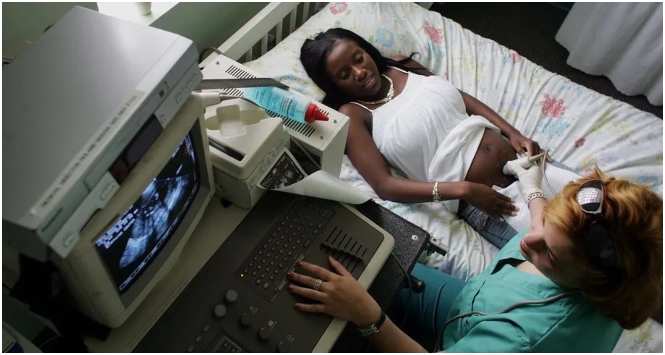
In South Florida, a disturbing trend is gaining momentum — the closure of maternity wards, particularly in underserved communities. At the center of the storm is Jackson South Medical Center, which plans to shut down its labor and delivery unit this September, joining a growing list of hospitals in the region and across the country making similar decisions.
More than 500 hospitals nationwide have closed their labor and delivery departments since 2010. In South Florida alone, at least four maternity units have shuttered since the onset of the COVID-19 pandemic.
While declining birth rates are often cited as a justification, maternal health advocates say the closures are disproportionately harming Black and Brown families, who already face systemic disparities in healthcare access and outcomes.
Why It Matters for Women of Color
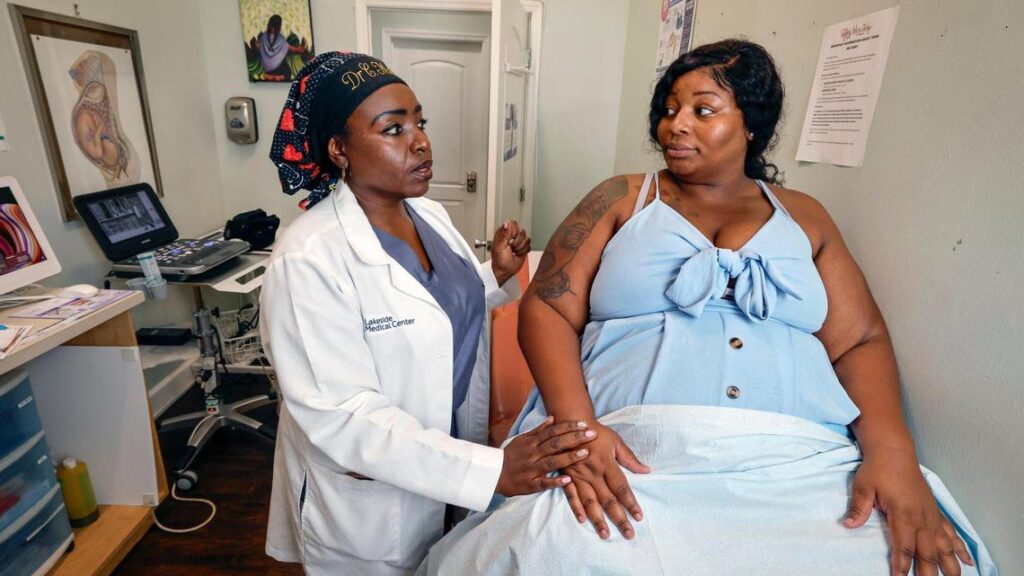
“This should be a human right,” said Jamarah Amani, a licensed midwife and executive director of the Southern Birth Justice Network. “To have safe, respectful, accessible care within a reasonable distance of where you live.”
Black women in Florida already experience higher rates of preterm births, cesarean sections, and maternal mortality than white women. According to the March of Dimes, Black infants in Miami-Dade had a preterm birth rate of nearly 15% in 2023, the highest among all racial groups.
As hospitals like North Shore Medical Center, Holy Cross Health, and Jackson West shut down maternity services, pregnant people in marginalized neighborhoods must travel farther for care — an additional barrier that could become deadly in emergency situations.
“If somebody is not able to access care in a timely manner — that can mean the difference between a baby being alive or dead, a mom being alive or dead,” warned Dr. Dione Occenad-Nimmo, a board-certified OB-GYN in West Palm Beach.
Financial Pressures vs. Community Needs
Executives at Jackson Health System, which oversees Jackson South, say the decision is “data-driven.” Birth rates in Miami-Dade are among the lowest in two decades. Jackson South had just one delivery the week before the announcement was made.
“We want to provide the services that our market and community tells us they need,” said Edward Borrego, CEO of Jackson South and Jackson West.
But critics argue that financial pressures shouldn’t override the health needs of the community.
“This is like closing a fire department because it didn’t put out enough fires,” said Dr. Occenad-Nimmo.
Rising Activism and Community Responses
A petition demanding Jackson South keep its maternity ward open has garnered over 1,800 signatures, largely from residents in southern Miami-Dade, where access to care is already strained.
Midwives like Amani and Sheila Simms Watson recall when community outrage in 2010 stopped the same hospital from closing its maternity ward. They are hoping for a repeat — but this time, the outcome is far less certain.
Meanwhile, the Southern Birth Justice Network is stepping in with mobile midwifery clinics traveling across historically Black neighborhoods to offer prenatal and postpartum care, reduce unnecessary C-sections, and combat medical racism.
“Midwives, we catch babies, but we also catch communities,” said Amani.
What’s Next for Maternal Care?
Though Jackson South’s maternity ward is closing, Jackson Health System says it remains committed to improving maternal outcomes. Plans include:
- Expanding doula programs
- Enhancing hypertension programs for pregnant and postpartum women
- Investing in transportation and health literacy initiatives
- Continuing partnerships with nonprofits like Green Cars for Kids, which offers free rides to prenatal appointments for high-risk patients
In the private sector, Baptist Health South Florida and Mount Sinai Medical Center are doubling down on maternal services — adding AI technologies, new neonatal intensive care units, and OB emergency departments — but access remains unequal depending on location, insurance, and race.
A System at a Crossroads
As maternal mortality rates rise, especially among Black women, advocates fear that closing maternity wards sends a dangerous message: that the lives of mothers and babies in underserved communities are expendable.
“Unless the financing of maternity care changes, I expect we will see continued closures,” warned Dr. Katy Kozhimannil, lead author of a national study on obstetric unit availability.
While some communities rally to keep care close to home, others are bracing for longer drives, overburdened hospitals, and the possibility that they’ll have to fight harder than ever for a safe and healthy birth.
This article was culled from a publication by the Miami Herald.