
A Minnesota woman who went viral for calling a five-year-old Black boy the N-word at a Rochester park is finally heading to trial—a moment community organizers say carries weight far beyond one incident.
Shiloh Hendrix, who later admitted to the slur on video, also chased the child and allegedly attempted to hit him before a bystander intervened.
The case sparked national outrage earlier this year, but it also drew something darker: more than $750,000 in donations for Hendrix on GiveSendGo, a crowdfunding site known as a hub for far-right and white supremacist organizing.
For activists like Kiandria Demone, the mother and content creator who has helped keep sustained attention on the case, the upcoming trial is a critical test of whether the public—and the legal system—still have the will to protect Black children.
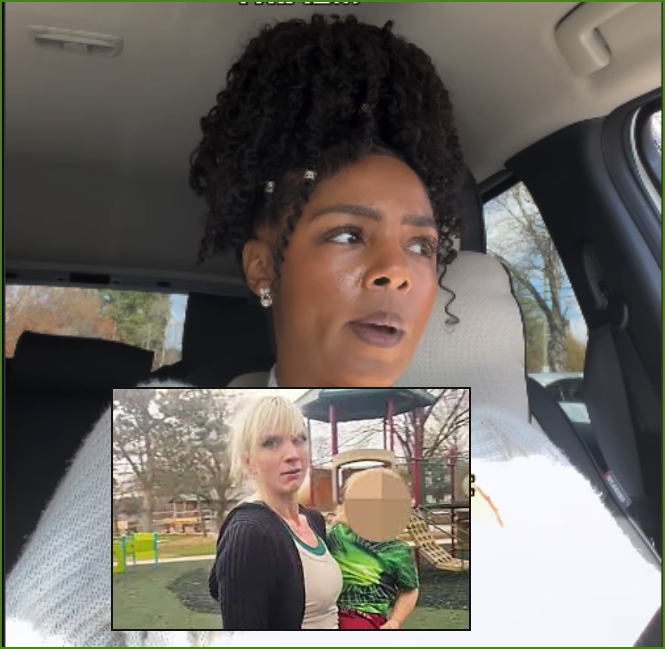
“This is a fight we can win,” Demone said in a viral video addressing her audience on Instagram. “What we are not going to do is walk into this moment acting like we already lost… We kept our foot on their necks until they held her accountable, and we’re going to do the same to make sure she receives the maximum punishment.”
Her message was as much a rallying cry as it was a rebuke to defeatism. She has grown frustrated by comments assuming Hendrix will “get away with it,” especially given the enormous fundraising haul Hendrix received from donors who used racial slurs and Nazi symbols in their messages.
“I don’t care about her lawyer fees. I don’t care who donated,” Demone said. “If you come into a fight like you’re going to lose, baby—you are going to lose. That energy is not welcome here.”
A Fundraising Frenzy Fueled by Extremism
Hendrix’s fundraiser—created by users on X affiliated with white supremacist circles—quickly morphed into a rallying point for extremists. Researchers from the Anti-Defamation League say the case illustrates a troubling shift: overt, unapologetic financial support for racist abuse.
Experts warn this level of funding, especially for such an explicit act of anti-Black hatred, marks a new phase in racial politics—one emboldened by the broader normalization of bigotry in U.S. public life.
“This case stands out because of the horrifying slur being defended,” said Brian Levin of the Center for the Study of Hate and Extremism, noting that GiveSendGo has become a reliable fundraising venue for white supremacists and far-right actors.
The platform defended hosting the fundraiser, framing it as a matter of “free choice.”
Critics argue the company has repeatedly taken a hands-off approach that allows racist ideology to flourish unchallenged.
A Turning Point—or a Warning
Hendrix’s case now carries significant symbolic weight. A generation ago, incidents like this often resulted in job loss, public condemnation, and social stigma. Today, the backlash cuts both ways. While many demanded accountability for Hendrix, thousands of others rewarded her conduct with cash.
Analysts say the shift parallels broader political currents: rollbacks of DEI programs, the resurgence of racialized rhetoric, and a national environment where explicit bigotry increasingly finds open defenders.
Against that backdrop, Demone says this trial isn’t simply about one woman or one child. It’s about precedent—and about refusing to normalize harm against Black children.
“If she were to walk away with no consequences—worse, rewarded—that would be dangerous for our entire society,” she said. “This case is our collective line in the sand.”
A Community Refusing to Look Away
For organizers and families watching closely, the trial represents a chance to reaffirm that racial abuse, particularly against children, demands accountability—not crowdfunding jackpots.
Demone’s message is blunt: the community must stay focused, steady, and unwilling to entertain hopelessness.
“Get your game face on,” she said. “This is a fight, but as the charges show—it’s a fight we can win. And we’re going to show up for this child. We’re going to defend our own.”
As the trial approaches, one thing is clear: this moment will test not only the justice system, but the nation’s moral resolve in the face of increasingly visible, financially backed racism.