
Caroline A. Wanga, the Kenyan-born cultural strategist who led ESSENCE Ventures through a period of rapid expansion and high visibility, has announced she will not be returning from a year-long health leave and is stepping down as president and CEO.
The announcement — released jointly by Wanga and ESSENCE Ventures on Aug. 25, 2025 — framed the decision as a personal next step: Wanga said serving Black women through ESSENCE “has been one of the greatest honors of my life,” and that she will move into “the next chapter” of her purpose with “pride, courage, and conviction.”
Below is a comprehensive look at Wanga’s tenure at the helm of ESSENCE: the milestones and initiatives she championed, the measurable growth and new businesses built under her watch, and the internal and public criticisms that dogged the brand during her time in leadership.
From Target executive to cultural chief: how Wanga rose at ESSENCE
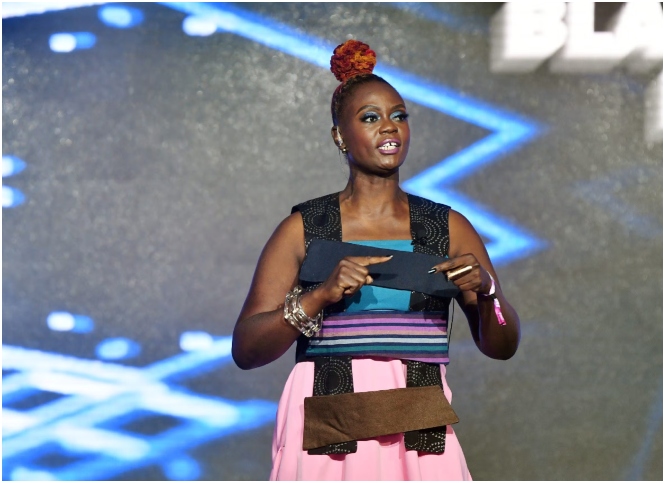
Wanga joined ESSENCE Ventures in June 2020 as Chief Growth Officer after a 15-year career at Target, where she rose to senior roles focused on culture, diversity and organizational transformation.
Within months of joining, she was tapped as interim CEO amid a leadership crisis and staff unrest; she was formally appointed chief executive the following year.
Her mandate was expansive: reposition ESSENCE not just as a magazine but as a multiplatform company that combined content, community and commerce, a strategy that guided acquisitions, new product launches, and an emphasis on experiential revenue (notably the Essence Festival of Culture).
Under Wanga’s leadership, ESSENCE Ventures broadened its portfolio and doubled down on commerce, streaming and live experiences as core business pillars.
High-profile milestones and measurable impact
1. Reframing ESSENCE as a media + commerce ecosystem.
Wanga pushed the company beyond print and editorial into streaming (Essence Studios), commerce activations, and corporate partnerships — positioning the brand as a culture-driven platform with multiple revenue streams. ESSENCE’s own coverage of the transition highlights the company’s strategic shift under her leadership.
2. Portfolio expansion and new brand integrations
During Wanga’s tenure ESSENCE Ventures expanded its footprint through relationships and portfolio plays — integrating events and properties such as AFROPUNK and BeautyCon into the broader ESSENCE ecosystem and pursuing cross-brand programming and commerce opportunities.
3. Bigger audiences and platform growth
Company statements and press coverage point to audience growth and increased digital reach during Wanga’s multi-year leadership, with investments in technology, e-commerce and experiential offerings that aimed to grow monthly reach and commercial partnerships. ESSENCE’s official announcement praised her role in fueling “growth, innovation, and renewed cultural influence.”
4. Festival economic footprint
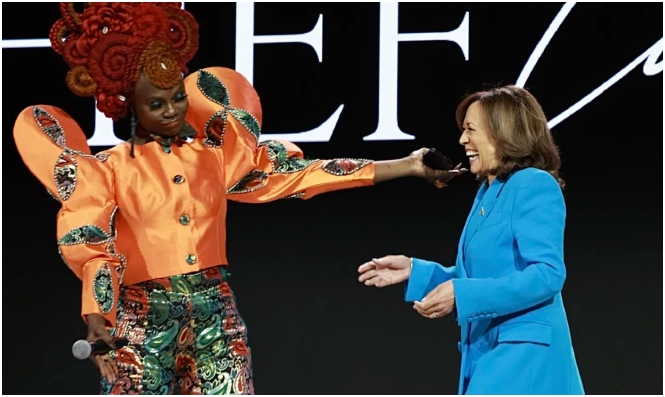
Wanga repeatedly defended the significance of the Essence Festival of Culture as a bedrock asset. Independent and commissioned studies circulated during her tenure underlined the festival’s economic importance to New Orleans: Dillard University’s economic impact studies have estimated the festival’s contribution to the regional economy in the hundreds of millions (reports cited values around the $300M+ range for recent festivals). Wanga highlighted the festival’s ties to New Orleans as integral to the brand and community mission.
5. Cultural storytelling and visibility
Under Wanga ESSENCE pursued high-visibility storytelling projects, including the OWN/Max docuseries Time of ESSENCE, which examined the brand’s 50-year legacy and contemporary role. Wanga also served as a public face for the company at conferences, commencement addresses and industry forums.
Recognition and personal projects
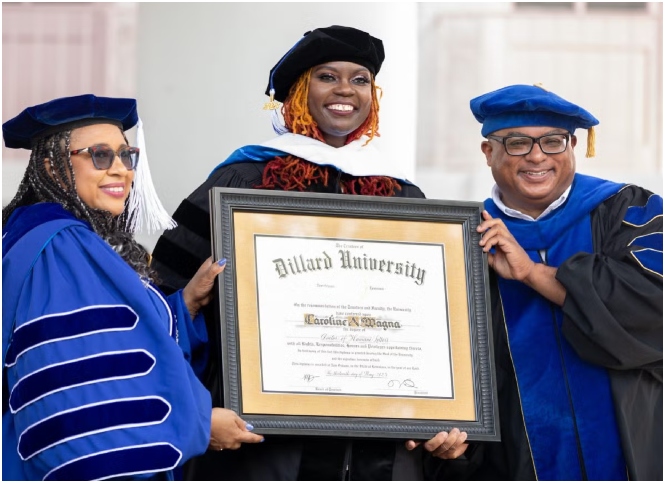
Wanga’s leadership earned industry recognition: awards, honorary degrees, speaking invitations and inclusion on lists recognizing influential African and diasporic women leaders.
She also authored a memoir, I’m Highly Percent Sure, and co-founded initiatives focused on authenticity and mentorship. Those projects were referenced repeatedly in the company release announcing her departure.
The criticisms: workplace culture, turnover and public backlash
Wanga’s time at ESSENCE was not without controversy.
Criticisms fall into two main buckets: longstanding staff complaints about ESSENCE leadership and more recent public backlash related to the Festival and programming decisions.
1. Historical workplace allegations and investigations
The brand had, prior to Wanga’s arrival, been roiled by an explosive 2020 anonymous letter (the “Black Female Anonymous” post) that accused senior leaders of fostering a hostile workplace.
ESSENCE commissioned external reviews after those allegations; reporting by Business Insider and other outlets documented employee grievances, complex investigations and mixed conclusions — noting that outside reviews did not substantiate all claims but that employees still described morale and structural problems dating back years. Wanga was brought in during that period to steady the ship and lead organizational change.
2. Internal divisions and executive departures
In 2024, coverage by Page Six and other outlets documented internal divisions and a wave of C-suite exits. Some former and current staffers told reporters that the environment around executive leadership could feel fraught, with allegations from unnamed sources describing a high-pressure atmosphere and claims that some employees experienced “psychological safety” concerns.
At the same time, several senior and midlevel staffers publicly defended Wanga, crediting her with mentorship and investment in younger talent, illustrating that staff sentiment was mixed rather than monolithically negative. ESSENCE leadership responded in public statements, stressing HR channels, available avenues to raise concerns, and the company’s commitment to healthy culture even as it pursued growth.
3. Festival backlash and diaspora tensions
The 2025 Essence Festival of Culture prompted a surge of social-media debate and criticism.
Some attendees and commentators questioned programming choices and who was being centered onstage and in VIP activations, sparking broader conversations about the Festival’s mission, diasporic representation and accessibility.
That public backlash triggered intense media coverage and commentary across publications and social platforms. Wanga publicly addressed the discourse, condemning blanket assumptions and xenophobic rhetoric where it arose, and clarified that she had been on leave during the operational planning for that year’s festival.
Wanga’s own explanation: timing, leave and “false assumptions”
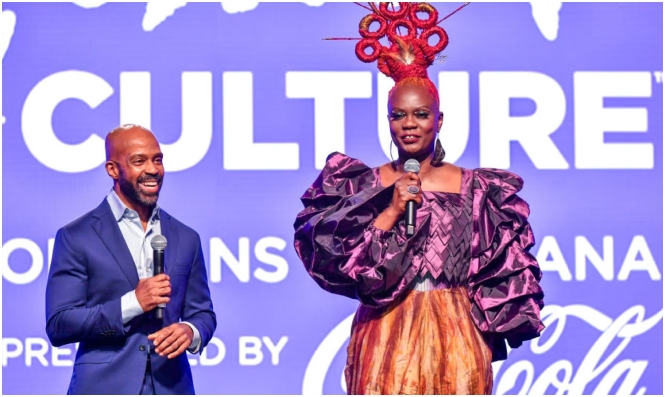
In announcing her exit, Wanga and ESSENCE Ventures pointed out timing and intent. The company’s PR release and ESSENCE’s own announcement praised her work and quoted Richelieu Dennis, the founder and chairman of Sundial Technology & Media Group, thanking Wanga for her “leadership, vision, and unwavering advocacy of Black women and culture.”
Wanga’s statement in the release reflected gratitude and described service to Black women as a source of “pride” and “courage.”
Importantly, Wanga took steps in public posts to push back against narratives tying her leave or her decision to step down to the festival controversy.
She clarified that her health leave began in September 2024 and that the leave predated operational planning for the 2025 festival — writing that missing knowledge had “led to false assumptions regarding my leave” and that her “holistic career experiences… have NO PROVEN ROLE in the current state of affairs.” EBONY and other outlets cited those clarifications when reporting her decision.
A mixed legacy: what Wanga leaves behind
Caroline Wanga’s tenure at ESSENCE Ventures is, by any measure, consequential and paradoxical.
On one hand, she shepherded a well-known cultural brand through transformation, expanding business lines, boosting visibility, reimagining revenue channels, and publicly centering the political and economic power of Black women. Her supporters point to measurable festival economic impact studies, new streaming and commerce efforts, and a portfolio strategy that sought to build a “global Black economic ecosystem.”
On the other hand, her period in charge coincided with episodes of staff unrest, turnover and public controversy, and critics have argued that some structural cultural problems were not fully resolved even as the company scaled.
Reporting from Business Insider, Page Six and others documents those tensions and the ways they repeatedly returned to public view over the last several years.
What’s next — for ESSENCE and for Wanga
ESSENCE Ventures thanked Wanga publicly and said the company will continue its work to uplift and serve Black women globally; founder Richelieu Dennis praised her contributions in the announcement. ESSENCE has already been appointing new executives and reconfiguring leadership to meet market opportunities, and the company said it remains committed to the festival and its mission.
Wanga herself signaled continued engagement in cultural work: the company release and coverage noted her recent memoir, I’m Highly Percent Sure, and her ongoing personal initiatives.
Her statement framed the departure not as an ending but as a pivot into a next chapter of purpose and storytelling.
Bottom line
Caroline Wanga leaves ESSENCE Ventures with an indelible imprint: she led an ambitious transformation that broadened the brand’s reach and business model and amplified conversations about Black women as cultural and economic powerhouses — even as longstanding internal and public tensions followed the company through that transformation.
Her exit is shaped by both the measurable gains ESSENCE recorded under her stewardship and the unresolved questions about workplace culture and community expectations that have periodically surfaced during her tenure.